

7 Myths About Shelter Pets—Busted: Why Adopting From Collier County Domestic Animal Services Is a Great Choice
- Posted on
- By LUX
- Posted in clothing boutique
- 0
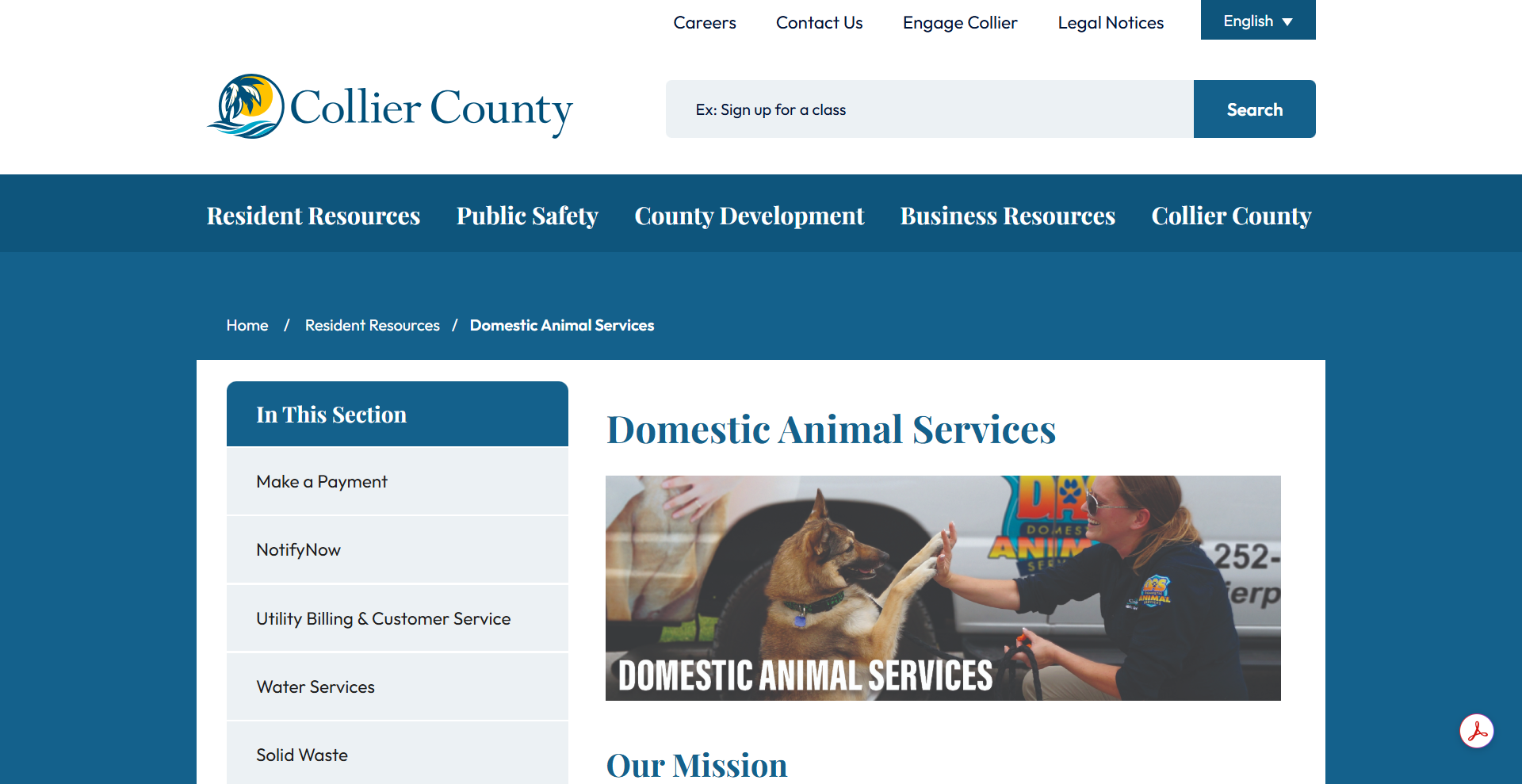
You can adopt from Collier County Domestic Animal Services with confidence: most shelter pets aren’t there because they’re “bad,” but because families face housing, financial, or life changes. You’ll find pets that are vaccinated, spayed or neutered, microchipped, medically evaluated, and behavior-assessed before adoption. Many already know home routines, and older pets often bond deeply and train well. The process is fast, affordable, and transparent, with even more practical guidance just ahead.
You can adopt from Collier County Domestic Animal Services with confidence: most shelter pets aren’t there because they’re “bad,” but because families face housing, financial, or life changes. You’ll find pets that are vaccinated, spayed or neutered, microchipped, medically evaluated, and behavior-assessed before adoption. Many already know home routines, and older pets often bond deeply and train well. The process is fast, affordable, and transparent, with even more practical guidance just ahead.
Shelter Pets Aren’t Problem Pets
Why do so many people assume a shelter pet must have behavior problems? Evidence tells you otherwise. Many shelter pets enter care because of housing barriers, financial strain, or family transitions—not because they're unsafe or unmanageable. At Collier County Domestic Animal Services, behavior evaluations give you transparent, individualized insight into temperament, triggers, and support needs.
You should also know that many observed issues are stress-related behaviors shaped by a high-arousal environment. They aren't fixed traits. With informed matching, consistent training and socialization, and shelter-backed resources, you can improve adoption success and help a pet regulate, adapt, and build secure attachment in your home.
Shelter Pets Can Be Healthy and Social
How can a shelter pet be both healthy and well-adjusted? At Collier County Domestic Animal Services, you benefit from a data-driven adoption process built around preventive care and behavioral assessment. Well-managed shelter pets often arrive healthy, vaccinated, spayed or neutered, microchipped, and treated for parasites before placement.
- You get medical evaluations with transparent guidance on ongoing needs.
- You see how socialization supports confidence, adaptability, and safer transitions.
- You adopt from a system emphasizing nutrition, sanitation, and preventive medicine.
This evidence-based approach means shelter pets aren't a gamble. You're choosing compassionate care designed to help your new companion integrate smoothly and thrive.
Many Shelter Pets Are Already Home-Ready
Many shelter pets are more home-ready than people expect, arriving with useful routines and prior experience living with families. You may find they’re already housetrained or close, and some respond to cues learned in prior homes. That baseline can accelerate integration and reduce transition stress for you and your pet.
At Collier County Domestic Animal Services, adoption readiness is supported through medical evaluations, vaccinations, spay/neuter procedures, microchipping, and behavior assessments. You receive practical data about compatibility, temperament, and care needs, helping you make an informed match. With guidance, many shelter pets enter your home prepared for a stable, successful start together.
Older Shelter Pets Bond Just as Strongly
Older shelter pets can form bonds that are every bit as deep as those of younger animals, and age doesn’t limit their capacity for affection, loyalty, or attachment. With adoption, you can gain loyal companions whose maturity supports stable, meaningful connection.
- Evidence shows that older pets and shelter dogs often integrate smoothly into household routines.
- Clinical shelter assessments help ensure Bonding with older animals starts from a healthy, supported baseline.
- Your choice creates impact: adopting older pets opens space for younger animals while giving you lasting companionship.
Many families report especially strong gratitude-based attachment, showing mature animals can become deeply devoted, reliable family members.
Shelter Pets May Be Easier to Train
That same maturity can also make shelter pets easier to train than people expect. Many shelter pets have lived in homes before, so you may find existing cues, routines, or social skills already in place. Even when stress masks behavior in the shelter, animals often decompress at home and show highly trainable temperaments.
You also benefit from behavior evaluations completed at intake, which help you design targeted training plans. With patience, consistency, and positive reinforcement, many adult pets need no more work than animals from other sources. Collier County Domestic Animal Services also offers adoption support resources to help you accelerate your adjustment and build lasting success together.
Some Shelter Pets Are Purebreds
Why assume shelters only have mixed-breed animals when roughly 25% of shelter pets are purebreds?
- You can find purebreds through Collier County Domestic Animal Services and breed-specific programs nationwide.
- You may wait longer for a specific breed, but adoption saves a life and supports responsible placement.
- You also benefit from breed diversity, because mixed-breed shelter pets often bring distinctive traits and potential health advantages.
If you want a certain look, size, or temperament, shelters remain a data-informed option. Purebreds enter shelters for many rehoming reasons, not because they're flawed. Your adoption choice can align compassion, evidence, and smarter pet sourcing.
Collier County Shelter Adoption Is Simple and Affordable
Finding the right pet matters, but so does a process that’s clear, efficient, and budget-friendly. In Collier County, shelter adoption is streamlined for modern families. You can complete the adoption process in two hours or less, and a 24-hour hold lets you decide responsibly after meeting an animal.
Before placement, shelters conduct behavioral evaluations and medical assessments, then provide transparent histories and care data. That evidence-based screening supports safer matches. Your affordable adoption also includes vaccinated, microchipped, spayed/neutered pets, reducing immediate veterinary costs. If you want specific traits, breed-specific rescue pathways may expand your options while keeping adoption compassionate, data-informed, and accessible.
Frequently Asked Questions
Why Do People Not Adopt Shelter Dogs?
You may avoid shelter dogs because you expect hidden health or behavior problems, complicated adoption steps, or weak bonding potential. Those concerns often stem from outdated stereotypes rather than evidence. Most shelter dogs arrive due to human housing, financial, or relocation issues, not because they're “bad” dogs. You can also underestimate the need for shelter screening, medical care, and staff support. When you use current data, adoption becomes a lower-risk, high-reward decision for many families.
What Is the Most Dumped Dog Breed?
As the saying goes, follow the data: you can't name a universally most-dumped dog breed. You’ll usually see mixed-breed dogs surrendered most often, largely because they make up a bigger share of the dog population. In your area, local intake records matter more than national averages. You should also note that housing barriers, costs, and relocation drive many surrenders—not breed behavior. Evidence consistently supports that distinction.
What Is the 3-3-3 Rule for Shelter Pets?
The 3-3-3 rule for shelter pets means you should expect three phases: about 3 days for initial decompression, 3 weeks to learn your routine, and 3 months to show more stable behavior and attachment. It’s a practical, evidence-informed adjustment framework, not a guarantee. You’ll help outcomes by providing predictable structure, veterinary follow-up, gentle socialization, and ongoing observation, while recognizing that each pet’s timeline, stress signals, and individual needs differ.
Is It Better to Adopt Pets From Shelters Rather Than Buy From Breeders?
Yes—adopting from shelters is often the better option. About 25% of shelter animals are purebred, so you can still find specific breeds without supporting commercial breeding demand. You save a life, reduce overcrowding, and often spend less on adoption than on purchase. You’ll also get staff guidance on temperament, history, and health considerations, which improves the precision of matching. If you want an ethical, data-supported, compassionate choice, adoption usually gives you the strongest overall value.
Conclusion
When you adopt from Collier County Domestic Animal Services, you’re choosing facts over fear. Shelter pets aren’t broken; they’re often healthy, social, and ready to fit into your life. With staff guidance, transparent information, and an affordable process, you can make a sound, compassionate decision. Think of adoption as opening a door and turning on a light: you give a pet safety and gain steady companionship. In many cases, the right match has been waiting for you all along.
Comments
Be the first to comment...