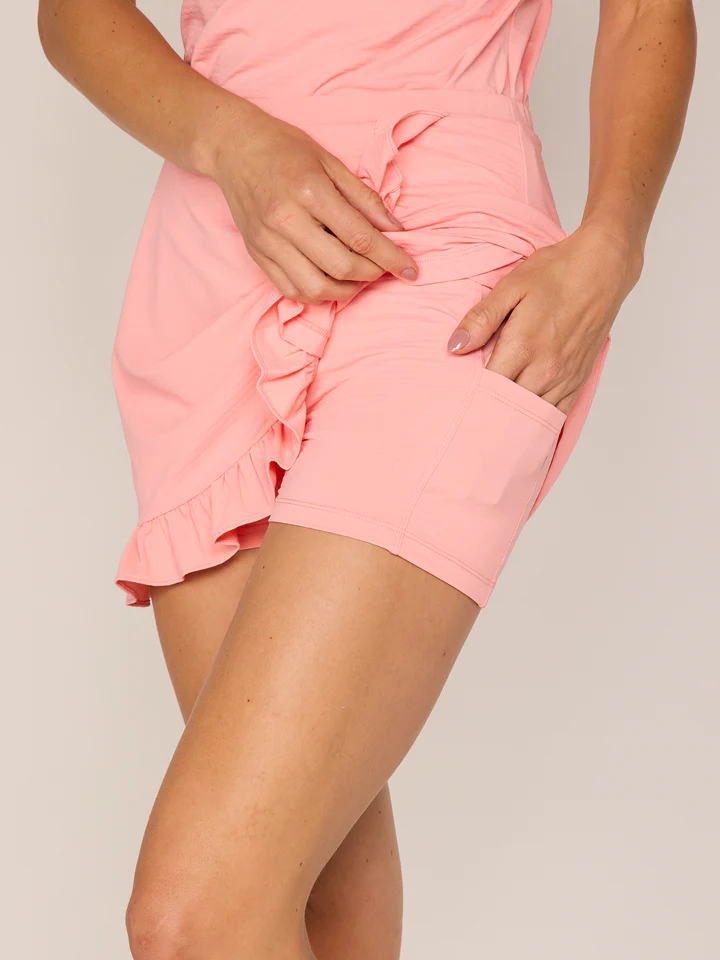
 Make your summer sale finds work harder by starting with breathable cotton, linen, or silk pieces you can layer easily. Style a slip skirt, tank, or relaxed pants for warm afternoons, then add a denim jacket, fine-knit cardigan, or sharp blazer after sunset. Swap sandals for loafers or ankle boots, and finish with ribbed socks or a lightweight scarf. Choose smooth fabrics and autumnal layers in olive, cream, rust, or charcoal. Ahead, find more polished ways to bridge the seasonal gap.
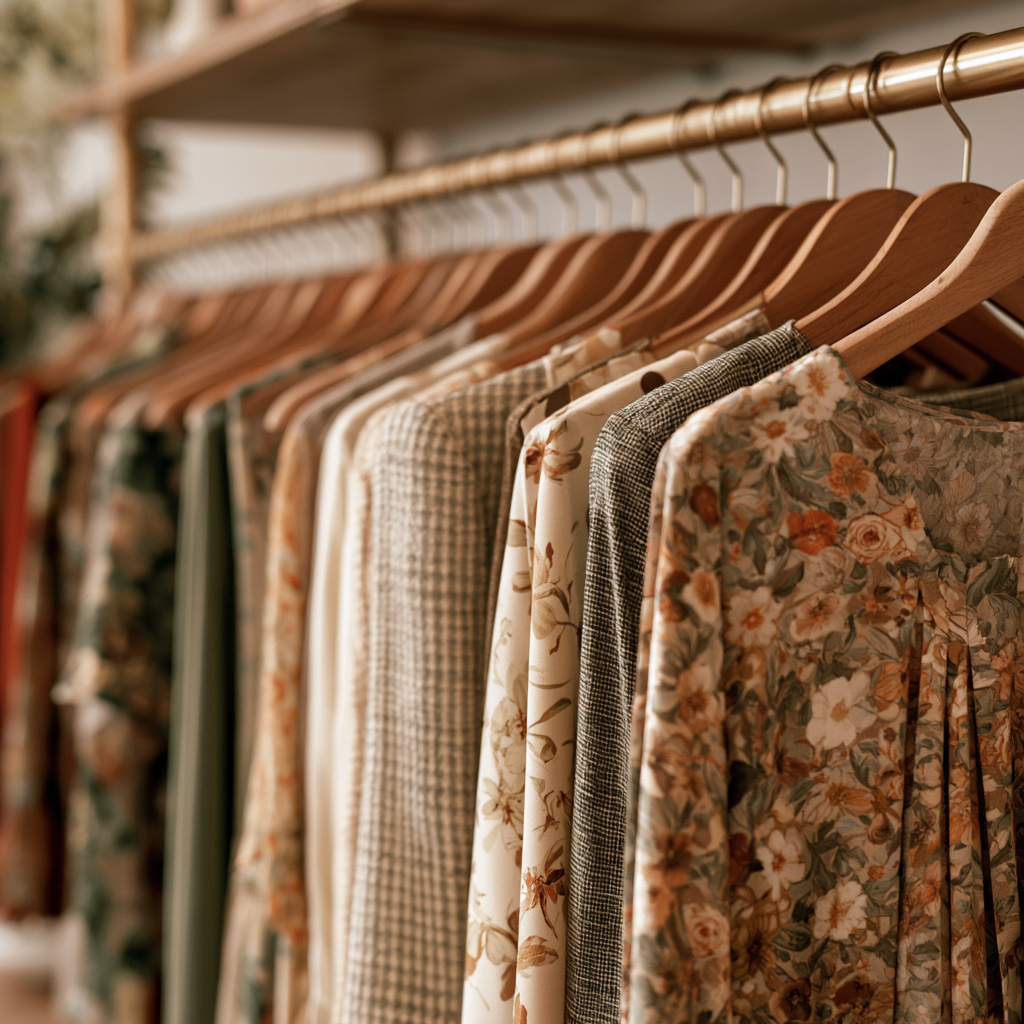 You order February boutique collections in August to secure fabrics, trims, factory capacity, samples, quality approvals, and freight options before demand tightens. Your purchase orders guide production schedules, size ratios, delivery windows, and margin planning. Trade shows help you compare emerging designers, pricing, and replenishment potential. By January, you’re reconciling ship dates and preparing intake for staggered arrivals. The full timeline shows how each decision protects your launch.
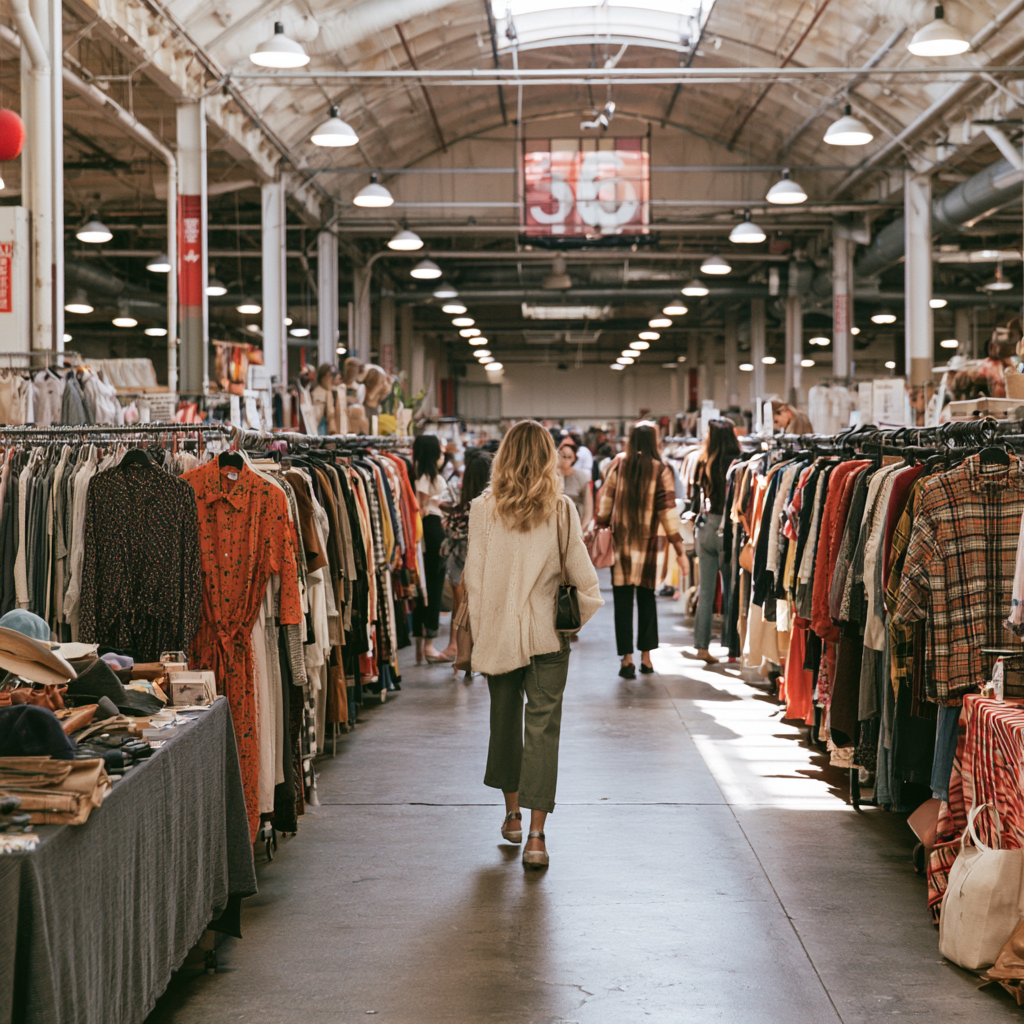 When you see a dress in a store, you’re seeing months of decisions behind one polished look. Designers refine the sketch, test fabrics and colors, develop patterns, fit samples, and validate every seam, trim, and finish. Factories then secure materials, labor, and production slots while teams manage quality, shipping, and delivery timing. Even a delayed zipper can shift the schedule. From silhouette to storefront, each step protects fit, finish, and the final experience—there’s more behind the label.
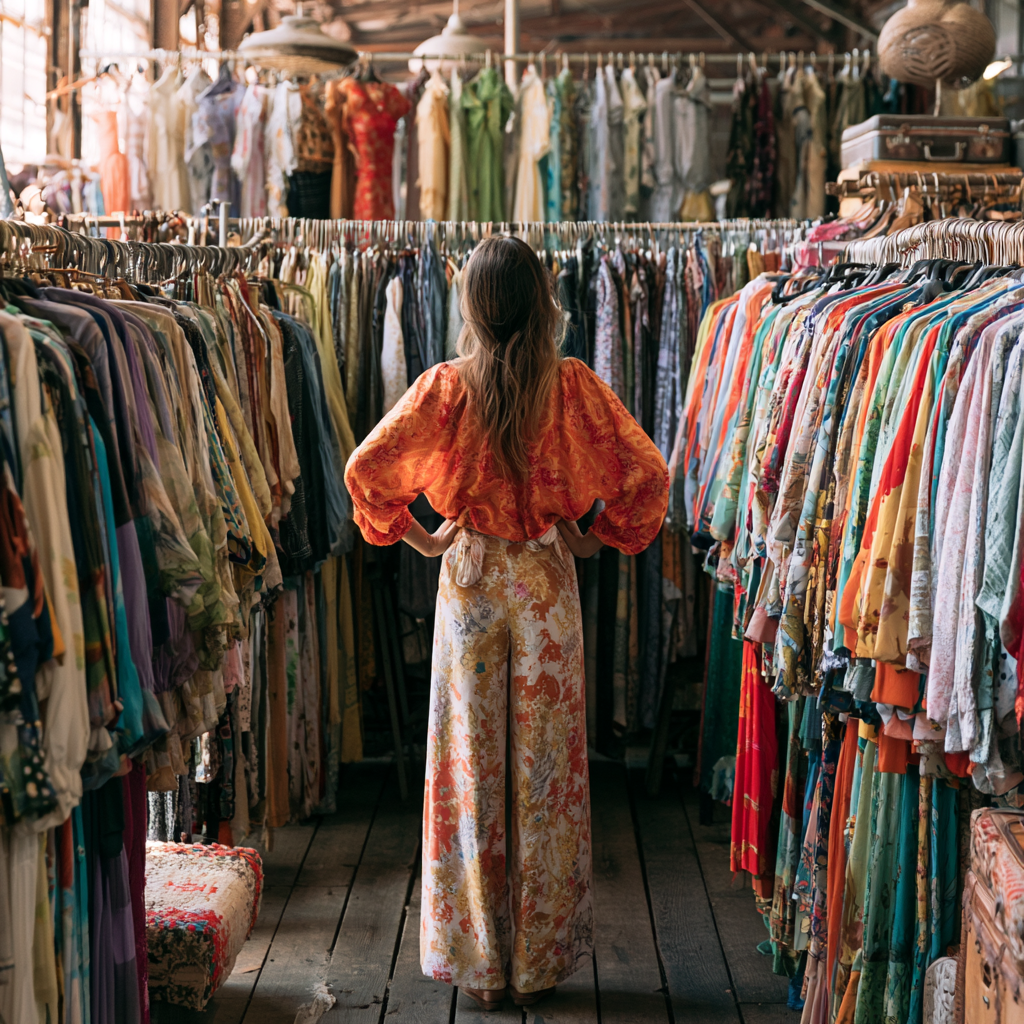 Behind every standout boutique, you’re translating wholesale market signals into a point of view customers recognize as their own. You track creator styling, search behavior, color momentum, and silhouette engagement, then balance hero pieces with easy repeat-wear essentials. You vet suppliers beyond lookbooks, calculate true landed costs, and monitor sell-through to protect margins. The real advantage is knowing what feels next, wearable, and worth buying before the market catches up. Ahead, you’ll see how that strategy comes together.
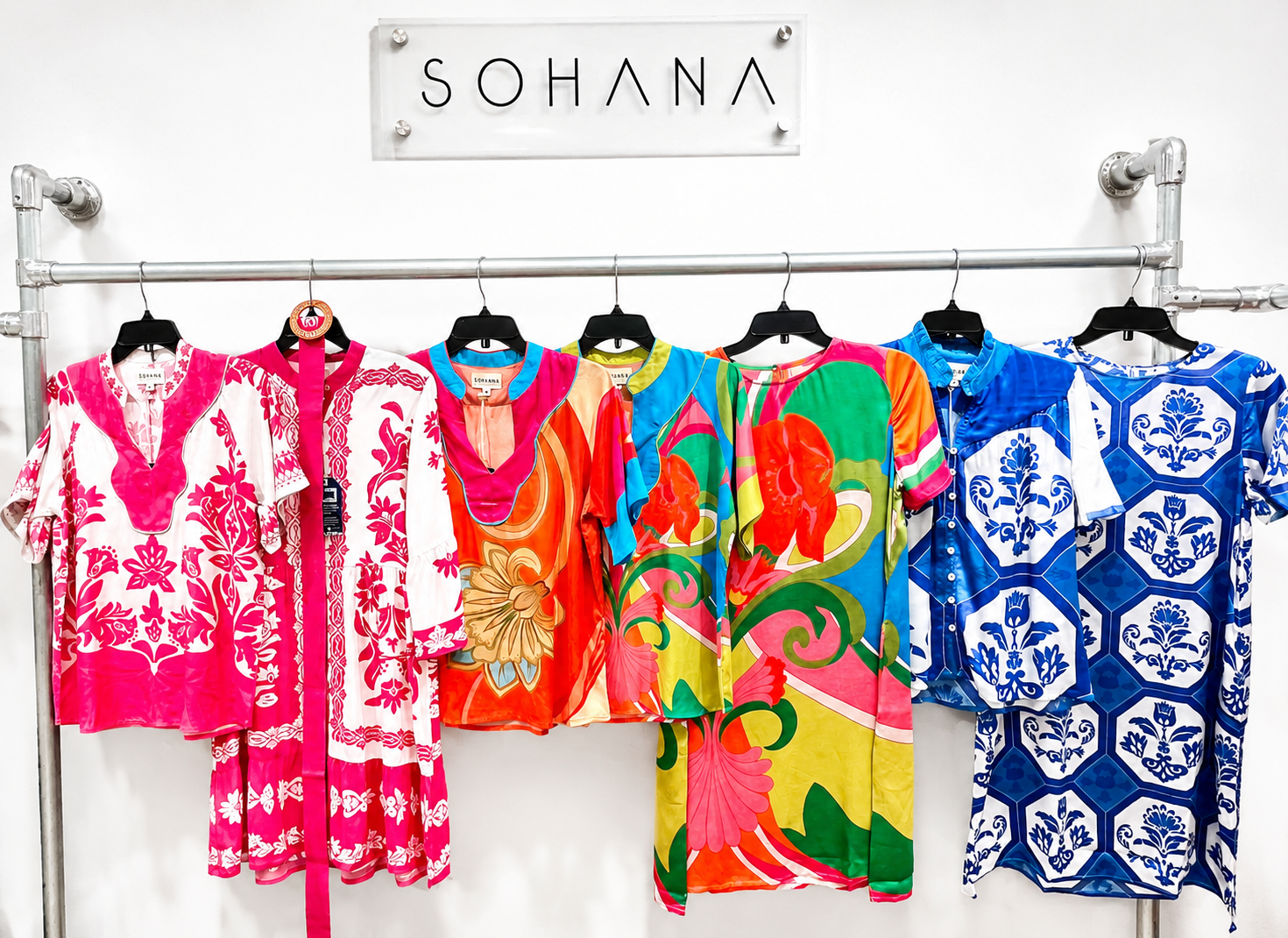 Your wardrobe is usually planned 12 to 24 months before it reaches stores. Designers and retailers use search trends, runway signals, sell-through data, weather forecasts, and economic indicators to choose colors, fabrics, silhouettes, and price points. Materials, sampling, supplier commitments, and production capacity create long lead times, though 3D design and real-time demand data can speed testing. By the time you shop, inventory algorithms have already allocated products by region and channel. The timeline behind each purchase reveals why trends arrive when they do.