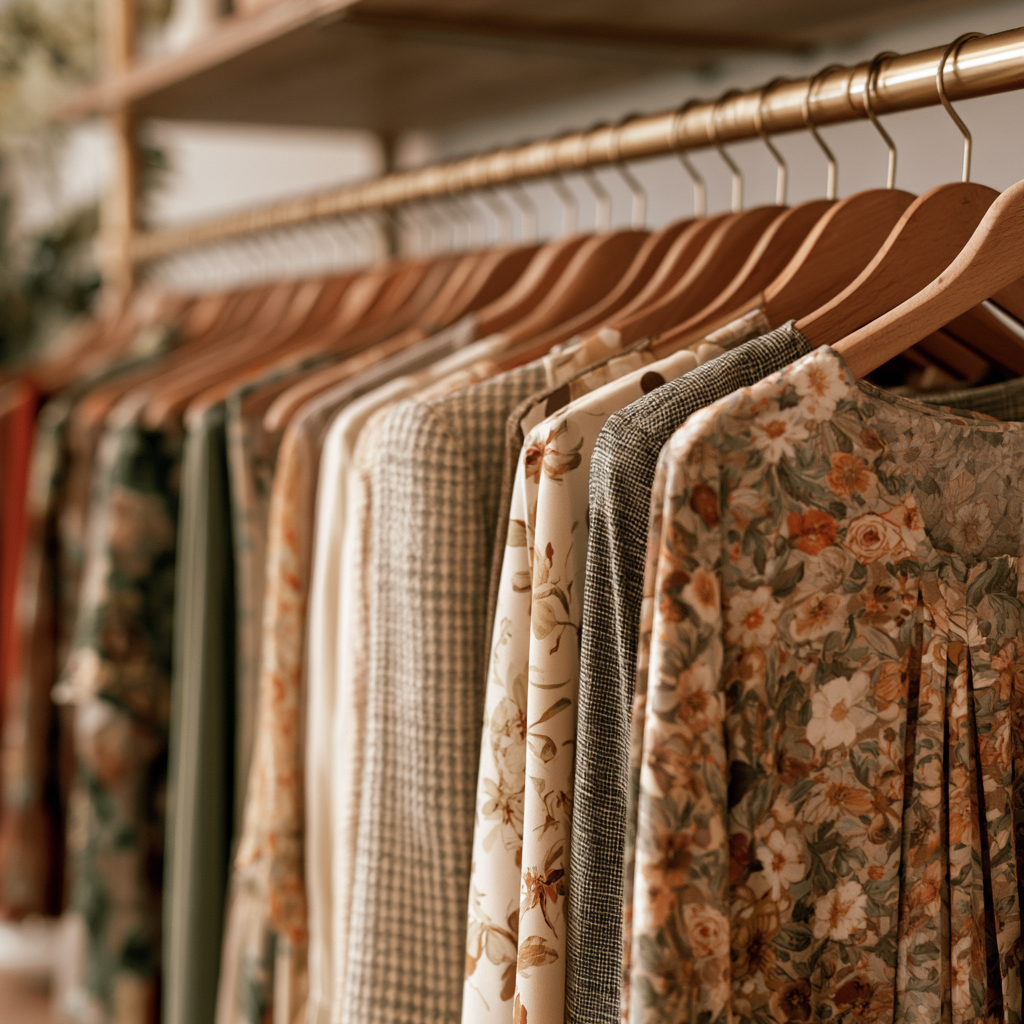
Make your summer sale finds work harder by starting with breathable cotton, linen, or silk pieces you can layer easily. Style a slip skirt, tank, or relaxed pants for warm afternoons, then add a denim jacket, fine-knit cardigan, or sharp blazer after sunset. Swap sandals for loafers or ankle boots, and finish with ribbed socks or a lightweight scarf. Choose smooth fabrics and autumnal layers in olive, cream, rust, or charcoal. Ahead, find more polished ways to bridge the seasonal gap.
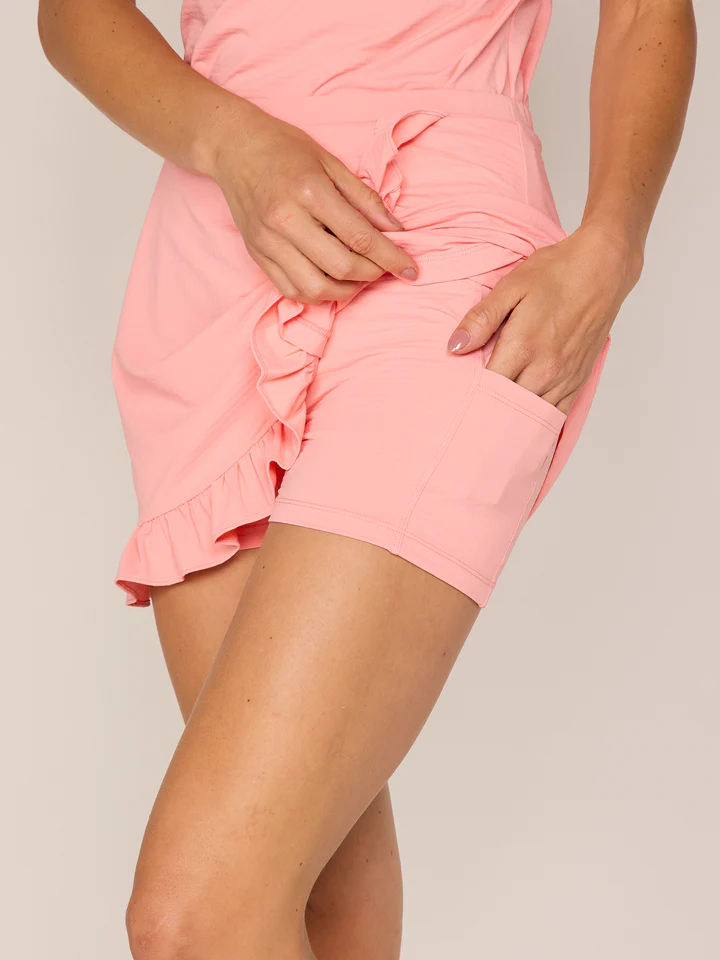
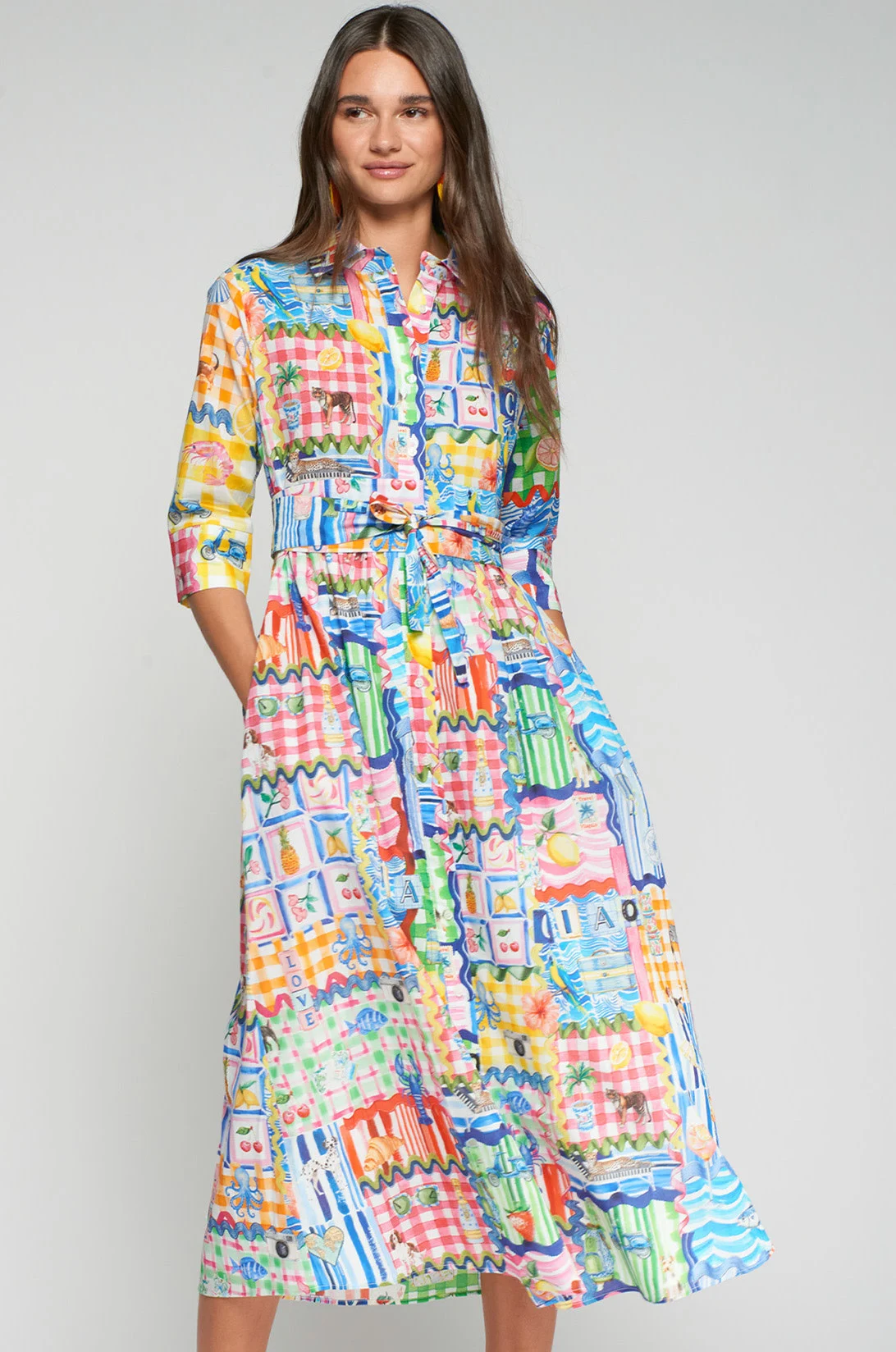
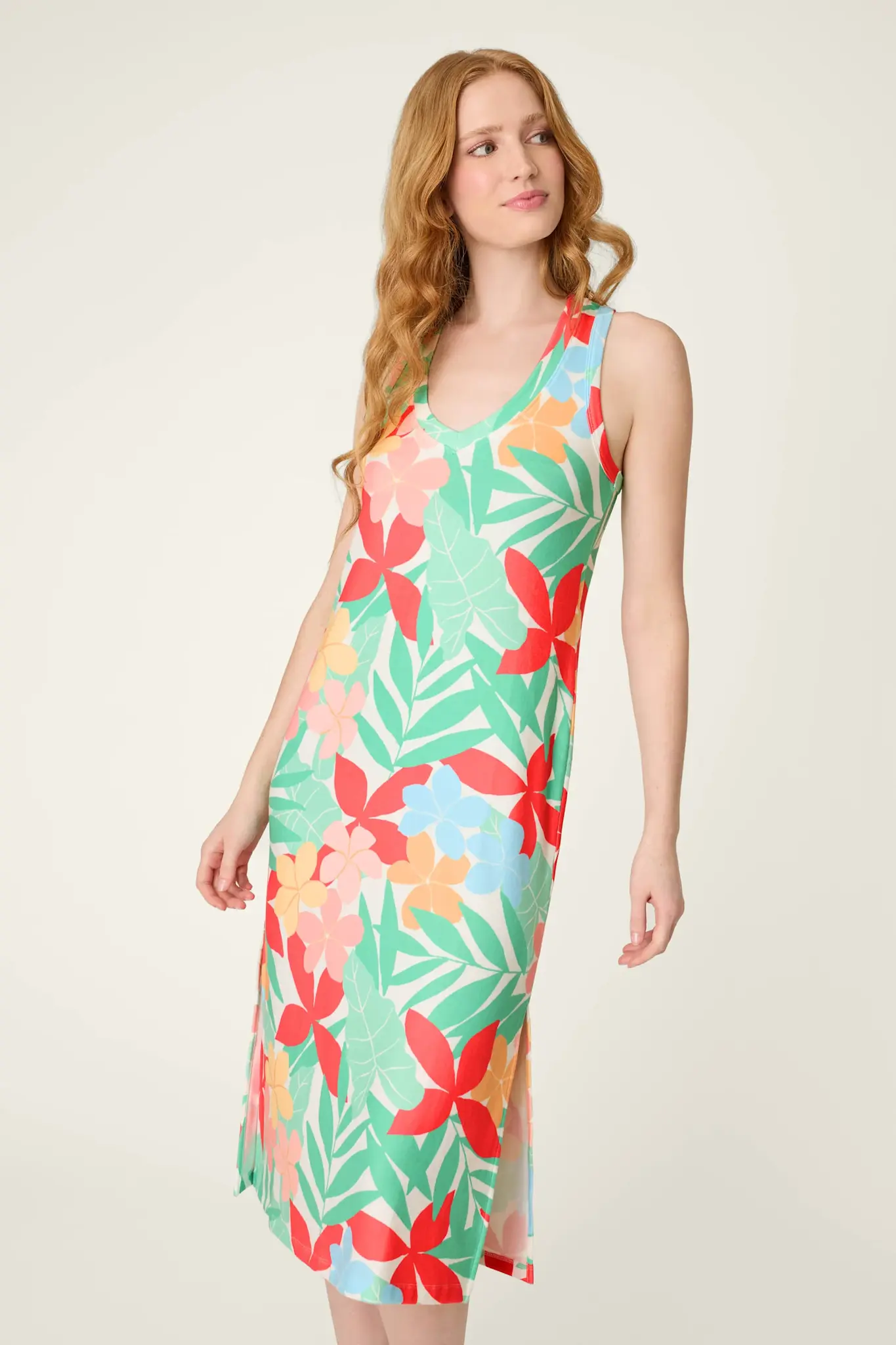
Shop the strongest markdowns first: the Isla Payal Malta Dress, Hale Bob Wrenlee Dress, and Briton Court Elena Dress are all 75% off. Add an XCVI tank for effortless layering, then choose a G Lifestyle skort for polished sporty style. Trina Turk’s Horizon Pullover and Zula Top bring designer versatility to denim or tailored pants. Don’t wait on preferred sizes—these standout sale finds are made for a closer look.
Score designer resort wear for less by shopping Lux Boutique’s sale, where select styles reach 75% off. You’ll find Trina Turk tops from $62, polished dresses from $42, and playful skorts and skirts under $50. Pair a sleek Zula top with a bright G Lifestyle skort, or style an Isla Payal dress with sandals and a woven bag. Shop now—your next vacation-ready wardrobe finds are below.
Create effortless chic with on-sale tops and skorts by mixing clean basics, bright color, and easy movement. Start with a pinstripe tank, white pullover, or sleek V-neck, then add a hot pink piped skort or turquoise houndstooth ruffle style. Ground prints with simple sneakers, sandals, and a compact crossbody. For polish, echo one color in your accessories and keep jewelry minimal. Ahead, you’ll find outfit ideas that make sale finds feel fresh.
Best Women’s Sale Tops To Start With
You order February boutique collections in August to secure fabrics, trims, factory capacity, samples, quality approvals, and freight options before demand tightens. Your purchase orders guide production schedules, size ratios, delivery windows, and margin planning. Trade shows help you compare emerging designers, pricing, and replenishment potential. By January, you’re reconciling ship dates and preparing intake for staggered arrivals. The full timeline shows how each decision protects your launch.