

Why Fashion Takes Time: the Journey of a Dress From Sketch to Storefront
- Posted on
- By Lux Boutique
- Posted in clothing boutique
- 0
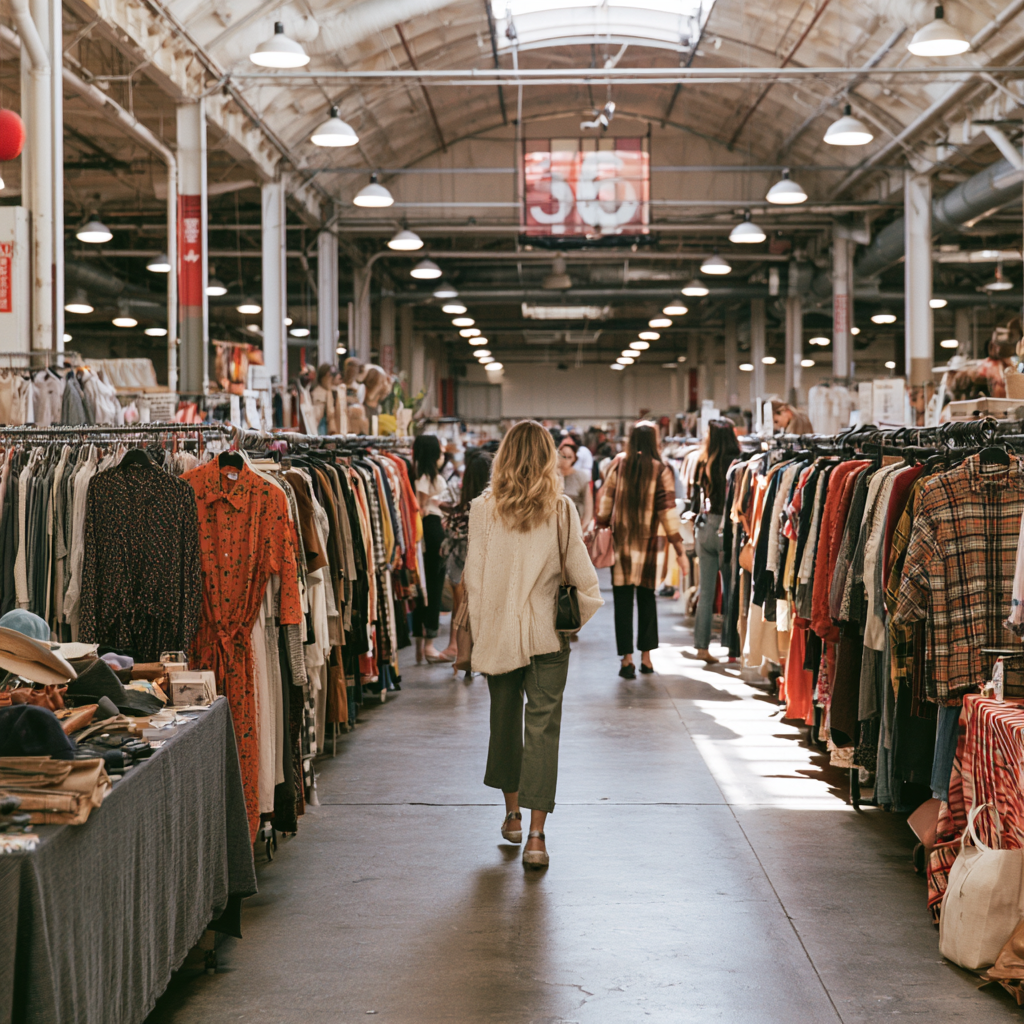
When you see a dress in a store, you’re seeing months of decisions behind one polished look. Designers refine the sketch, test fabrics and colors, develop patterns, fit samples, and validate every seam, trim, and finish. Factories then secure materials, labor, and production slots while teams manage quality, shipping, and delivery timing. Even a delayed zipper can shift the schedule. From silhouette to storefront, each step protects fit, finish, and the final experience—there’s more behind the label.
When you see a dress in store, you’re seeing months of decisions behind one polished look. Designers refine the sketch, test fabrics and colors, develop patterns, fit samples, and validate every seam, trim, and finish. Factories then secure materials, labor, and production slots while teams manage quality, shipping, and delivery timing. Even a delayed zipper can shift the schedule. From silhouette to storefront, each step protects fit, finish, and the final experience—there’s more behind the label.
Why the Dress Production Process Takes Months
A dress can look effortless on a rack, but its timeline rarely is. You’re seeing the finish line of a coordinated sequence: trend research, material sourcing, supplier calendars, lab testing, and production slots must align months in advance. Sketch storytelling sets the creative direction, but factories must secure fabrics, trims, dyes, and skilled labor before a single unit moves forward.
Fashion budgeting also shapes the pace. You balance minimum order quantities, freight windows, quality controls, and retail deadlines without sacrificing the details that make a piece feel new. A delayed zipper shipment or revised fabric mill schedule can ripple across an entire collection. Innovation adds another layer: recycled fibers, digital sampling, and low-impact finishes require validation, not shortcuts. You don’t just make a dress; you build a reliable path from concept to customer.
Refining the Sketch Into a Dress Design
How does a loose fashion sketch become a dress you’d actually want to wear? You begin by challenging every line: does it flatter movement, solve a real wardrobe need, and feel current beyond one viral moment? Refining sketch work turns intuition into decisions, giving the dress silhouette proportion, purpose, and a distinct point of view.
1. You sharpen the neckline, waist placement, hem, and volume so the design creates impact from every angle.
2. You map construction details—seams, darts, closures, pockets—that make the concept wearable and manufacturable.
3. You test the story behind each choice, from sourcing trims to fabric provenance, ensuring the design aligns with innovation and accountability.
At this stage, you’re not merely decorating a drawing. You’re engineering identity: a dress with visual precision, functional intelligence, and enough originality to earn its place in a fast-moving market.
Selecting Fabrics, Colors, and Dress Trims
Once the construction is mapped, material choices give the dress its mood, movement, and market relevance. You compare fabric swatches under daylight and studio light, watching satin flash, linen soften, and recycled mesh create technical edge. Fabric weight matters: it determines whether a silhouette floats, skims, or holds a sculptural statement. You also test stretch, recovery, opacity, and surface texture so the concept performs beyond the mood board.
Color requires equal rigor. You review trend forecasts, then work with dye chemistry to achieve a saturated cobalt, a quiet mineral neutral, or an experimental ombré without sacrificing consistency. Finally, you assess trim compatibility. A chrome zipper, bio-based button, laser-cut applique, or contrast binding must elevate the textile rather than compete with it. Each choice turns your design into a tangible, current product.
Drafting Patterns for the Right Fit
With fabrics and trims approved, the design team translates the sketch into a pattern: the precise set of paper or digital pieces that determines fit, proportion, and construction. You’re now seeing the dress’s hidden architecture take shape. Pattern drafting maps every curve, seam, dart, and grainline, balancing a runway-forward silhouette with movement you can trust.
1. You define ease, so the dress skims or structures the body intentionally.
2. You refine proportions, aligning waist placement, hem drama, and sleeve volume with the original vision.
3. You plan Fitting adjustments, anticipating how different sizes will preserve the same polished attitude.
Digital tools can grade patterns with remarkable precision, yet skilled hands still matter. A millimeter shift at a shoulder or hip changes how you feel wearing it. This stage turns creative ambition into a repeatable, size-inclusive blueprint.
Creating the First Dress Samples
The finished pattern moves from blueprint to proof in the sample room, where cutters and machinists turn paper pieces into the first wearable dress. You see the concept gain dimension as each panel is cut, marked, and assembled with deliberate precision. Creating prototypes lets your team translate a trend-forward sketch into something tangible, whether it’s a sculpted shoulder, liquid drape, or asymmetric closure.
Sourcing materials shapes the sample’s character early: a recycled satin may sharpen the silhouette, while bio-based jersey creates a softer, technical ease. You choose interim fabrics when premium mills haven’t delivered yet, balancing speed with a clear read on the intended finish. Zippers, labels, trims, and thread arrive in small batches, often from several partners. The resulting sample isn’t showroom-ready; it’s your first physical argument for the design’s potential.
Testing Fit, Wear, and Construction Details
How does a promising sample prove it can live beyond the fitting room? You put it in motion. During fit testing, you watch how the bodice settles when you sit, reach, twist, and dance—because a sculpted silhouette should feel as fluid as it looks. You refine strap placement, hem balance, closure ease, and lining behavior until every detail supports the wearer.
1. Test proportion across bodies, not just a single idealized form.
2. Stress key joins to assess seam durability under real movement.
3. Rework pinches, gaping, or pulling before they become design compromises.
You’re not simply correcting a dress; you’re protecting its point of view. A sharp corset seam, a liquid bias skirt, or an engineered sleeve must deliver runway impact without restricting your life. Each revision turns creative intent into wearable innovation.
Producing Dresses at Scale With Quality Checks
Once the sample earns its final approval, production turns that singular vision into a consistent collection. You’ll see the design translated into graded sizes, precise cutting markers, and repeatable sewing sequences that protect its silhouette. Fabric sourcing now becomes critical: mills must deliver the approved color, hand feel, stretch, and performance across every roll. On the factory floor, ethical labor standards shape the process alongside speed, ensuring skilled teams have safe conditions and fair treatment. Quality checks happen at multiple points, not just at the finish line. Inspectors compare panels for shade variation, test seams for strength, verify measurements, and catch skipped stitches or flawed trims before they multiply. You get a dress that feels intentional at scale—whether it’s a sharp tailored mini or a fluid, trend-led midi—with consistency built into every detail.
Shipping Finished Dresses to Stores and Shoppers
Once each dress passes inspection, you track it through warehouses, retail allocations, and carefully timed shipments. Logistics teams route every carton to keep new-season styles landing where demand is building. For shoppers, the last mile turns that journey into a doorstep delivery or a perfectly stocked rack.
Logistics and Distribution
After the final stitch passes inspection, a dress enters a tightly timed logistics chain that moves it from factory floor to boutique rack, warehouse shelf, or your doorstep. You may see a sleek new drop, but behind it, planners balance container space, customs documents, inventory signals, and seasonal launch dates. A delayed port or mislabeled carton can create logistics failures that leave trend-led collections missing their moment.
1. Consolidated shipments reduce emissions and protect delicate garments in transit.
2. Smart tracking gives brands visibility, so you can expect accurate stock rather than ghost inventory.
3. Distribution ethics matter: suppliers, freight partners, and warehouses should safeguard workers while minimizing waste.
Before the dress reaches any local handoff, it’s sorted by channel—wholesale, direct-to-consumer, or regional fulfillment—so the right size, color, and quantity arrive where demand is building.
Last-Mile Delivery
From the regional hub, a finished dress enters its most visible leg: the last mile to a store, pickup point, or your front door. You see the tracking updates, but behind them, routing software balances delivery constraints such as traffic, carrier capacity, weather, and promised arrival windows. For boutique drops, teams may schedule precise deliveries so new silhouettes land before a launch event.
Your dress travels in protective packaging designed to prevent crushing, moisture, and wrinkles. Unlike food or beauty products, it doesn’t require a cold chain, yet logistics teams still monitor temperature and humidity when delicate fabrics, embellishments, or bonded trims need extra care. You might choose locker collection, same-day courier service, or low-emission delivery. Each option shapes cost, speed, and the final unboxing moment—where the long fashion journey becomes yours.
Frequently Asked Questions
How Do Fashion Brands Forecast Demand Before Production Begins?
You forecast demand by blending trend forecasting with sales data, social listening, runway signals, and customer behavior. You test silhouettes, colors, and price points through digital campaigns, preorders, and small capsules. Then you align projections with fabric sourcing, supplier capacity, and regional demand. You don’t chase every viral moment; you model scenarios, watch early engagement, and adjust buys quickly, creating collections that feel timely without overproducing inventory.
What Labor Standards Apply to Dress Manufacturing Workers?
“Measure twice, cut once”: you should expect labor standards that protect wages, hours, safety, overtime, freedom of association, and bans on child or forced labor. Depending on where you manufacture, local laws, ILO conventions, and buyer codes shape compliance. You can use audits, traceability tools, and worker hotlines to verify conditions. Still, certification burdens can strain smaller factories, so you’ll want streamlined, credible systems that improve accountability without sidelining innovation.
How Do Returns Affect Future Dress Collections?
Returns shape future dress collections by showing where fit, fabric, color, or styling missed the mark. You can track return reasons alongside trend data, then refine silhouettes, adjust grading, and upgrade materials for the next drop. This feedback fuels collection evolution: you’ll keep winning details, retire weak concepts, and test smarter innovations. When you treat returns as design intelligence, you create dresses shoppers want to keep—and wear again and again.
Why Do Seasonal Fashion Calendars Influence Release Dates?
Seasonal schedules shape when you see styles because you need designs to match weather, cultural moments, and retail demand. Seasonal calendars guide fabric sourcing, production slots, campaign shoots, and store deliveries, so release timing feels intentional rather than rushed. You can expect spring pieces before warm-weather demand peaks and partywear before celebrations. Brands also use these rhythms to test trends, refine assortments, and keep your wardrobe feeling fresh, relevant, and forward-focused.
Can Shoppers Track a Dress’s Environmental Impact?
Yes, you can increasingly track a dress’s environmental impact through digital product passports, QR codes, brand impact reports, and third-party certifications. You’ll see data on fibers, water use, tracking emissions, dye methods, factory locations, and end-of-life options. Look for labels that explain circular design, including repairability, recyclability, and resale pathways. The most innovative brands turn each garment into a transparent story, letting you compare choices before you buy.
Conclusion
Now you know why a dress doesn’t move from mood board to mirror overnight. The theory that “fast” fashion skips the hard parts holds up: thoughtful design needs fittings, fabric tests, pattern tweaks, and exacting quality checks. You’re not just buying a silhouette—you’re seeing months of decisions stitched into every seam, trim, and hem. From the first sketch to your storefront scroll, the journey proves that great style may feel effortless, but it’s never accidental.
Comments
Be the first to comment...