

Ordering in August for February? The Hidden Timeline of Boutique Fashion
- Posted on
- By Lux Boutique
- Posted in clothing boutique
- 0
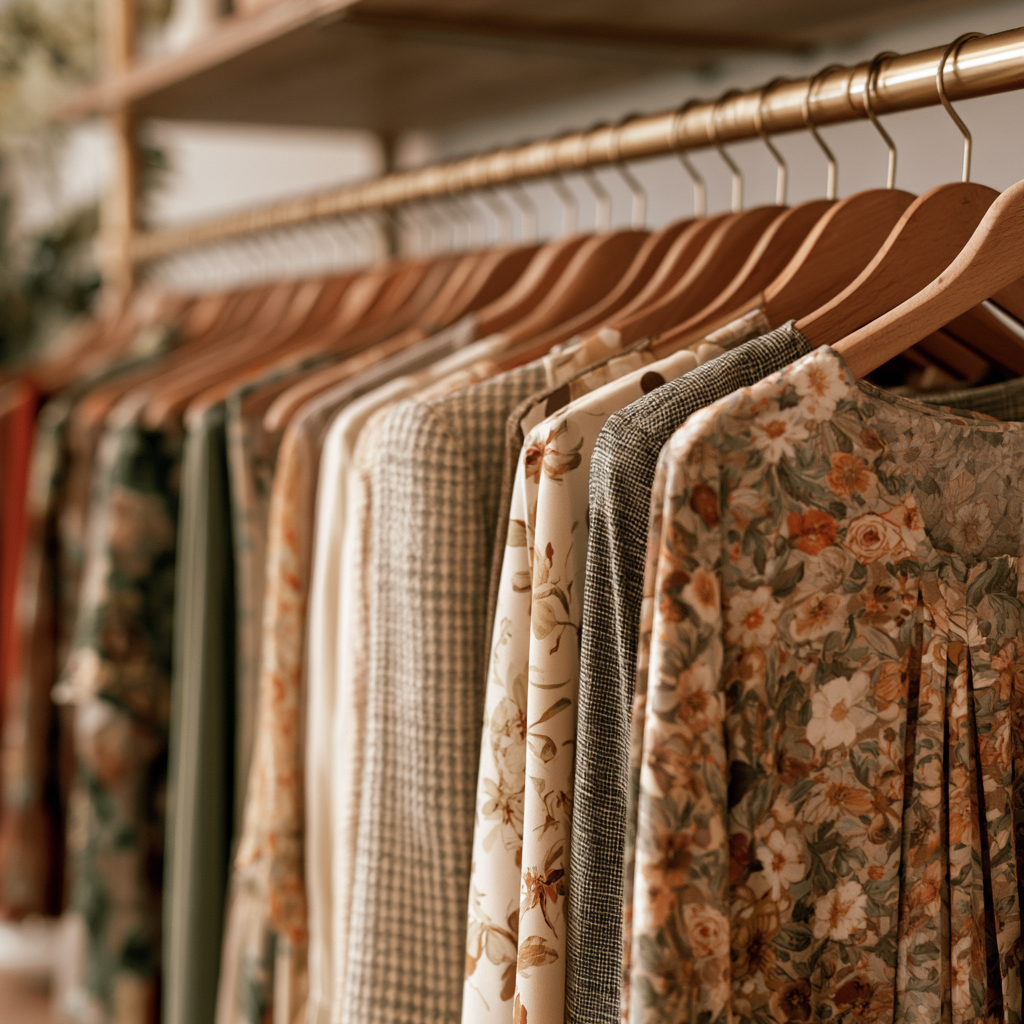
You order February boutique collections in August to secure fabrics, trims, factory capacity, samples, quality approvals, and freight options before demand tightens. Your purchase orders guide production schedules, size ratios, delivery windows, and margin planning. Trade shows help you compare emerging designers, pricing, and replenishment potential. By January, you’re reconciling ship dates and preparing intake for staggered arrivals. The full timeline shows how each decision protects your launch.
You order February boutique collections in August to secure fabrics, trims, factory capacity, samples, quality approvals, and freight options before demand tightens. Your purchase orders guide production schedules, size ratios, delivery windows, and margin planning. Trade shows help you compare emerging designers, pricing, and replenishment potential. By January, you’re reconciling ship dates and preparing intake for staggered arrivals. The full timeline shows how each decision protects your launch.
Why February Boutique Fashion Is Ordered Early
February boutique fashion is ordered early because brands need enough lead time to move from concept to customer without sacrificing margin or availability. You secure production capacity before demand peaks, giving suppliers room to source fabrics, confirm trims, test samples, and protect quality standards. Early commitments also let you negotiate minimums, freight options, and payment terms from a position of strength.
You’re not merely buying garments; you’re reserving a place in a constrained supply network. That foresight supports differentiated assortments, faster response to approved changes, and cleaner inventory allocation across channels. It prevents late decisions from becoming expensive compromises. Strategic planning should focus on product readiness and commercial precision, not unrelated logistics or irrelevant staffing. When you commit early, you create flexibility where competitors face scarcity, enabling you to launch with confidence, coherence, and margin discipline.
The Boutique Buying Timeline From August to February
You start in August by using market appointments to forecast February demand, set budgets, and lock key assortments. Through fall, you track production milestones, confirm materials, and resolve delays before they affect delivery windows. As February approaches, you prepare receiving plans, merchandising, and launch timing so inventory can move quickly.
August Market Planning
August is when boutique owners turn early-year sales data into a concrete February buying strategy. You compare sell-through, margins, customer requests, and emerging category gaps before market appointments. Your goal isn’t simply to select attractive pieces; it’s to build an edited assortment that protects cash flow and differentiates your store.
- Audit January-through-July unit sales by brand, size, and color.
- Set open-to-buy limits using realistic markdown and freight assumptions.
- Prioritize vendors whose market ethics align with your customer values.
- Test digital marketing signals, including saves, clicks, and waitlist demand.
- Map February deliveries against events, weather, and planned promotions.
You’ll enter August market with clearer questions, faster decision criteria, and stronger negotiating leverage. Reserve budget for calculated innovation, but anchor commitments in measurable demand. This disciplined plan helps you buy creatively without overextending inventory.
Fall Production Milestones
Behind every February delivery sits a fall production calendar that determines whether your order arrives on time, in full, and at the expected margin. After you place August commitments, brands lock fabrics, confirm trims, and translate forecasts into factory capacity. September often exposes risk: minimums shift, color approvals lag, or suppliers reallocate materials. Request milestone visibility, including cut dates, sample signoff, sewing completion, quality control, and shipment release.
Use your sales data to prioritize styles with proven velocity, then pressure-test them under indoor lighting before production closes; color behavior can alter conversion. Ask vendors for exception alerts rather than polished status reports. Customer anecdotes from prior seasons can also reveal fit, fabrication, or durability issues that spreadsheets miss. By October and November, disciplined follow-up protects your assortment architecture, preserving margin and reducing late-stage substitutions.
February Delivery Preparation
By January, your February delivery plan should shift from production tracking to receiving readiness: confirm ship windows, carton counts, routing requirements, and expected arrival dates for each purchase order. Treat fashion logistics as a profit-control system, not an administrative task. You’ll protect launch timing, reduce receiving errors, and preserve leverage in merchant negotiations.
- Reconcile vendor confirmations against approved assortments and quantities.
- Flag late, split, or incomplete shipments before they disrupt floorsets.
- Reserve receiving labor, storage capacity, and delivery appointments.
- Build SKU-level intake checklists for pricing, tags, and quality checks.
- Create contingency actions for weather delays, damages, or carrier exceptions.
Use a shared dashboard to compare planned versus actual movement daily. When variances emerge, escalate quickly, update allocation decisions, and communicate revised delivery timing to store teams.
How Trade Shows Influence Boutique Collection Buys
At trade shows, you can identify emerging designers before their collections reach wider markets. You compare seasonal assortments, pricing, delivery windows, and margins side by side to refine your February buy. You also build supplier relationships that can improve communication, secure allocations, and support future reorders.
Discovering Emerging Designers
Trade shows give boutique buyers an efficient way to identify emerging designers before those labels reach broader retail channels. You can evaluate originality, operating discipline, and brand fit in one concentrated setting, reducing the risk of relying on digital lookbooks alone. Prioritize conversations that reveal how a label will support your assortment and customer expectations.
- Assess construction, fabrication, and finishing firsthand.
- Ask about minimums, lead times, and replenishment capacity.
- Track regional sourcing to validate supply-chain resilience.
- Review the designer’s wholesale strategy and price architecture.
- Capture buyer feedback that signals early market traction.
Your strongest discoveries often come from disciplined comparison across booths: distinctive point of view matters, but execution determines whether innovation reaches your floor reliably. Build follow-up plans quickly, request line sheets, and document why each promising brand earns further consideration.
Comparing Seasonal Collections
How do you determine which seasonal pieces deserve limited floor space and open-to-buy dollars? At trade shows, you compare collections beyond runway appeal. Map each line against your customer data, existing assortment gaps, planned delivery windows, and target margin. Evaluate creative fabrics for tactile distinction, durability, care requirements, and whether they justify their retail price. Use color psychology to assess how shades can energize key displays, complement core neutrals, or create timely micro-stories for February.
You should also score silhouettes, size ranges, and category depth across brands. A compelling jacket means little if three other lines offer the same proportion and price architecture. Photograph key looks, record wholesale costs, and build a side-by-side buy matrix before the show momentum fades. This disciplined comparison turns inspiration into an edited collection that feels fresh, coherent, and commercially intentional.
Building Supplier Relationships
Strong supplier relationships turn a trade-show order into a more flexible, lower-risk buying partnership. You gain earlier visibility into production capacity, fabric availability, and delivery constraints, letting you build smarter collection buys before February demand becomes fixed.
- Ask for factory lead-time ranges, not single dates.
- Negotiate split shipments for high-velocity categories.
- Share sell-through data to refine future assortments.
- Confirm supply chain escalation contacts before placing deposits.
- Compare storage strategies for early deliveries and replenishment stock.
At shows, treat each appointment as due diligence and collaboration. You can test a vendor’s responsiveness, evaluate digital ordering tools, and identify partners willing to adapt minimums or color commitments. Clear communication helps you protect cash flow, reduce markdown exposure, and create an agile buying calendar that supports innovation without overcommitting inventory.
What Boutique Buyers Evaluate in Showrooms
In a showroom, boutique buyers assess far more than whether a collection looks appealing on a rack. You inspect fabrication, construction, fit consistency, finishing, and the story each piece can tell on your floor. You test whether silhouettes create a coherent capsule, support visual merchandising, and offer enough depth across sizes, colors, and delivery windows. You also examine line sheets, wholesale terms, minimums, replenishment options, and the brand’s operational responsiveness. Innovative details matter when they solve a customer need rather than feel like an unrelated topic or an offbeat concept. You ask how garments wear, photograph, layer, and translate from runway presentation to daily use. By evaluating these practical signals, you identify collections that can strengthen your assortment, sharpen your point of view, and deliver a dependable buying experience.
How Buyers Balance Trends, Price, and Risk
You balance trend forecasts against the risk that customer demand shifts before February. You calculate whether each style’s wholesale cost, retail margin, and expected sell-through justify the commitment. You can reduce exposure by mixing directional pieces with proven categories and keeping order quantities disciplined.
Trend Forecasting Tradeoffs
Trend forecasting turns a buyer’s August order into a calculated bet on what customers will want six months later. You can’t simply chase runway signals; you must test whether a look fits your customer, climate, and brand position. Timelines misalignment between trend emergence, production, and delivery can turn a promising idea into stale inventory.
Prioritize signals that improve decision quality:
- Track sell-through by silhouette, color, and price tier.
- Compare social momentum with repeat-purchase behavior.
- Use supplier diversification to preserve flexibility.
- Commit deeply to proven core categories.
- Reserve limited units for experimental statements.
You balance novelty against operational certainty by building an assortment with multiple outcomes. If a microtrend accelerates, your test units create upside. If it fades, dependable essentials protect margin and customer trust while keeping your February floor fresh.
When Boutiques Place Purchase Orders
Boutiques typically place purchase orders six to 12 months before merchandise reaches the sales floor, aligning buys with fashion-market calendars rather than current weather. You commit when assortments, delivery windows, and customer demand signals converge—not when coats or sandals feel timely outside.
Your buying calendar should prioritize:
- seasonal market appointments and showroom previews
- historical sell-through by category, brand, and size
- open-to-buy capacity and cash-flow timing
- delivery-date gaps across your assortment
- emerging customer signals from digital and in-store data
You’ll often order spring collections in late summer or fall, then secure fall goods during winter and early spring. This forward view lets you shape a differentiated edit before competitors react. An irrelevant topic or unrelated concept won’t improve timing; disciplined calendar intelligence will. Use scenario planning to test demand shifts, protect margin, and reserve flexibility for strategic replenishment opportunities.
How Purchase Orders Become Production Schedules
Once you issue a purchase order, it becomes a production signal that sets fabric allocation, factory capacity, labor sequencing, and delivery deadlines in motion. Your quantities translate into cutting plans, material reservations, trim requirements, and line assignments. Factories use this data to balance workflows across teams, coordinate subcontractors, and identify potential bottlenecks before production starts.
You can improve reliability by specifying approved materials, size ratios, quality checkpoints, and packaging standards in the PO. Digital production platforms can connect those details to real-time capacity dashboards, giving you earlier visibility into exceptions. Build design ethics into the schedule: require transparent sourcing, realistic workloads, and documented labor rights protections. A precise PO doesn't simply authorize garments; it creates an operational blueprint that lets partners plan responsibly, protect quality, and respond quickly when conditions change.
Why Boutique Collections Have Long Lead Times
Long lead times reflect the number of dependent decisions required before a boutique collection can ship: fabric mills must confirm availability, designers finalize samples and fit, suppliers source trims, and factories reserve limited production capacity. You’re coordinating a precision system, not simply buying finished garments. Each approval protects margin, quality, and brand differentiation.
- Validate fiber origin through ethical sourcing audits.
- Test prototypes for fit, durability, and repeatability.
- Secure low-minimum materials before competitors do.
- Authenticate components to reduce counterfeit goods risks.
- Allocate factory slots around specialized machinery and labor.
Because boutique runs are small, you can’t rely on scale to absorb mistakes. A revised sleeve, unavailable zipper, or failed color test can reset downstream commitments. By planning earlier, you create room for innovation, refine product integrity, and preserve the exclusivity your customers expect.
How Shipping Delays Affect Boutique Deliveries
Shipping delays can disrupt boutique deliveries even after production is complete, because ocean congestion, customs holds, carrier capacity limits, and documentation errors can add days or weeks to transit. You can’t treat the factory handoff as the finish line; it’s the start of a logistics sequence with multiple failure points.
To reduce exposure, build transit buffers into your buying calendar and track container status, port dwell time, and clearance milestones in real time. A shipping backlog can reroute cargo, delay consolidation, or create missed delivery appointments. Also confirm commercial invoices, HS codes, and packing lists before departure to prevent avoidable customs exceptions. Diversify carriers and gateways when possible, and establish escalation contacts with freight partners. These controls won’t eliminate a late delivery, but they’ll give you earlier visibility and more options to protect inventory plans.
When February Collections Reach Boutiques
Even with freight moving on schedule, February collections rarely arrive at boutiques on February 1. You’ll typically see staggered deliveries from mid-January through early March, shaped by production release dates, customs clearance, and store-level intake capacity. Treat February as a launch window, not a fixed drop date.
- Early arrivals support preview events and targeted client outreach.
- Core deliveries refresh your floor after January markdowns.
- Late night fittings reveal which silhouettes deserve immediate reorders.
- Indie collaborations may ship separately, requiring distinct merchandising plans.
- Delayed cartons can create scarcity-driven storytelling rather than empty racks.
You can protect momentum by mapping each vendor’s delivery calendar against cash flow, staffing, and digital campaigns. Photograph key pieces upon receipt, update inventory instantly, and sequence releases deliberately. This approach turns uneven arrivals into a flexible, innovation-led merchandising advantage for your boutique.
Frequently Asked Questions
Can Boutiques Cancel Orders After Production Begins?
Yes, you can pursue order cancellations after production begins, but success depends on your contract, supplier flexibility, and documented production timelines. You’ll usually face charges for completed materials, labor, and reserved capacity. Act immediately: request a production-status report, identify stoppable components, and negotiate alternatives like delayed delivery, revised quantities, or inventory transfers. Build cancellation milestones into future agreements, using real-time production data to reduce financial exposure and improve decision-making.
Do Designers Require Minimum Order Quantities From Boutiques?
Yes, designers often require minimum order quantities, which act like a runway threshold before a collection can take flight. Requirements vary by brand, product category, and production method. Emerging labels may accept smaller test buys, while established designers set higher thresholds to protect manufacturing efficiency. Review deposit requirements, reorder rules, delivery windows, and SKU-level minimums before committing. Negotiate strategically: consolidate colorways, prioritize proven styles, and request phased deliveries to manage inventory risk.
How Do Boutiques Handle Unsold February Inventory?
You manage unsold inventory through rapid markdowns, curated promotions, and targeted client outreach once February timing passes. You can reposition transitional pieces for spring, bundle slower sellers with high-demand items, or move excess through online channels and private events. Track sell-through weekly, then adjust replenishment and future buys using SKU-level data. For persistent leftovers, you’ll protect cash flow by using outlet partners, resale platforms, or charitable donations.
Are Deposits Required When Placing Wholesale Fashion Orders?
Deposits are commonly required: many wholesalers request 30–50% upfront, signaling how production timelines convert commitments into factory capacity. Review deposit policies before confirming quantities, payment milestones, cancellation terms, and delivery windows. Negotiate lower deposits for proven relationships, but expect stricter terms for custom designs or small runs. Protect cash flow by matching deposit dates to projected sales, maintaining written confirmations, and comparing vendors’ risk-sharing structures.
What Happens if a Supplier Changes Fabrics or Colors?
If a supplier changes fabrics or colors, you should request written approval samples before production continues. What if fabrics become unavailable? You can evaluate Color/Texture substitutions against your brand standards, pricing, and customer expectations. Track colorway shifts through updated lab dips, swatches, and production photos. Supplier changes in Material sourcing may affect lead times, compliance, durability, or margins, so negotiate revisions, document approvals, and protect your delivery strategy.
Conclusion
By ordering in August, you shape what your customers will discover in February. You weigh trend signals, margins, production capacity, and shipping risk long before garments reach the rack. Each purchase order sets a chain in motion, from showroom selection to factory scheduling to final delivery. Can you picture February’s fresh collection arriving because you planned six months ahead? Strategic buying
Comments
Be the first to comment...