

Customs, Fabrics, and Long Fleets: Why Your Spring Clothes Are Ordered in Summer
- Posted on
- By Lux Boutique
- 0
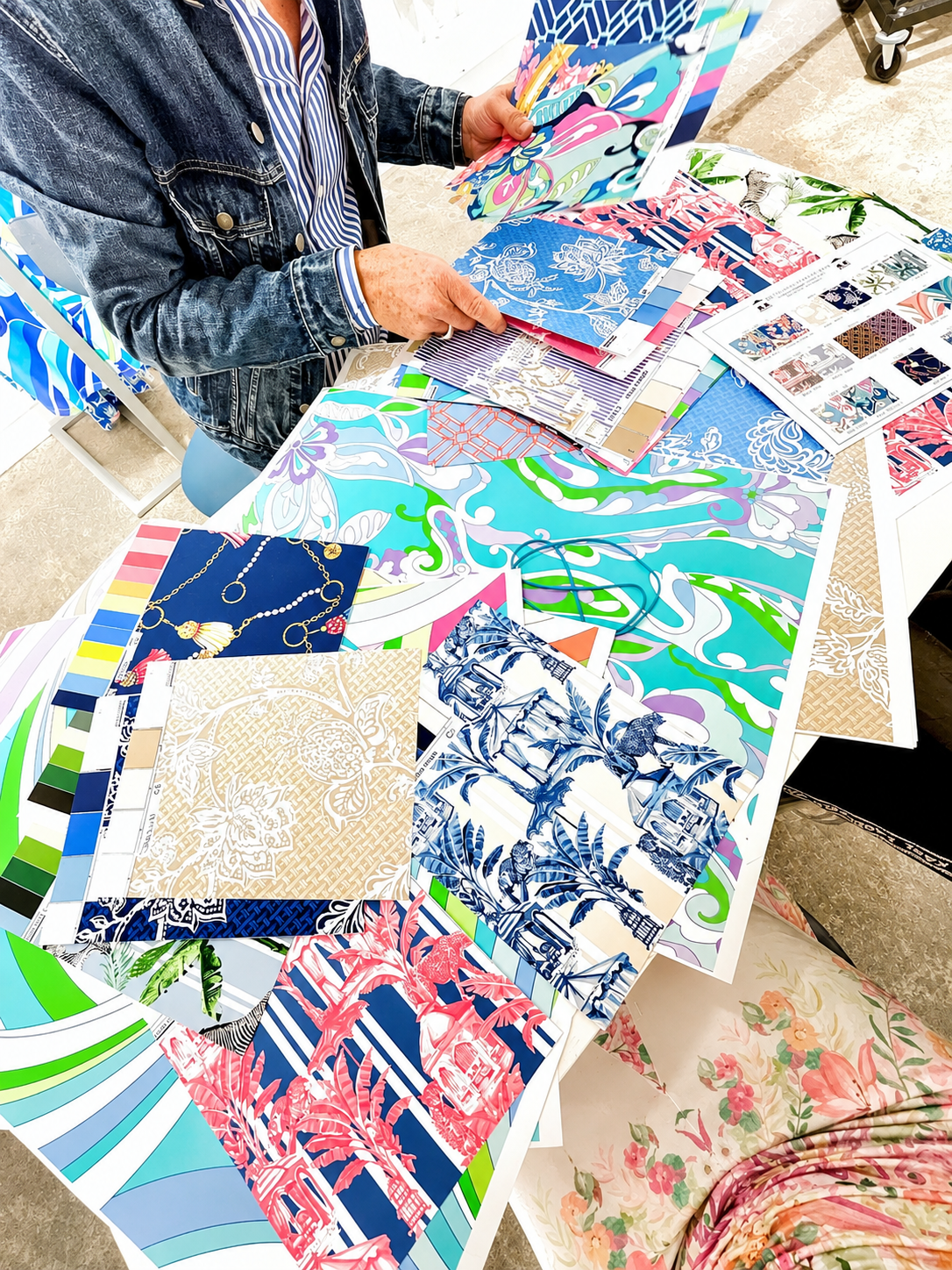
Your spring clothes are ordered in summer because retailers must secure fabric, factory time, shipping space, and customs documents long before demand peaks. Mills need time for yarn, dye testing, and certifications, while factories handle samples, grading, cutting, sewing, and inspections. Ocean transit and port congestion add further weeks. Retailers also build backup routes and suppliers against disruption. The supply chain’s hidden timeline explains why seasonal racks are planned so early.
Retailers order spring clothes in summer because they must secure fabric, factory time, shipping space, and customs documents long before demand peaks. Mills need time for yarn, dye testing, and certifications, while factories handle samples, grading, cutting, sewing, and inspections. Ocean transit and port congestion add further weeks. Retailers also build backup routes and suppliers against disruption. The supply chain’s hidden timeline explains why retailers plan seasonal racks so early.
Why Retailers Order Spring Clothing in Summer
Retailers order spring clothing in summer because global production and shipping schedules leave little room for last-minute decisions. You need inventory positioned before seasonal demand accelerates, not after competitors capture attention. Merchants coordinate fabric sourcing, factory capacity, production timelines, and vessel bookings across multiple countries. This early commitment lets you test demand signals, reserve scalable manufacturing slots, and diversify routes when geopolitical or weather risks emerge.
Freight delays can disrupt launch calendars, while customs clearance adds variable transit time at destination ports. You also need time for quality checks, labeling, allocation, and retail distribution to stores and fulfillment centers. By ordering early, you turn a long, uncertain supply chain into a managed operating window, giving your assortment greater reliability and your teams more room to respond intelligently.
Why Fabric Sourcing Starts Months Earlier
Fabric sourcing starts months earlier because it sets every downstream deadline, from sample approval to factory booking and vessel departure. When you select cotton, recycled polyester, linen, or technical blends, you’re also committing to mill capacity, dye-house slots, testing requirements, and regional transport links. Global mills may need time to secure yarn, match color standards, certify performance, and consolidate export documentation.
You use fabric sourcing to reduce uncertainty before demand signals harden. Digital material libraries, traceability platforms, and predictive forecasting can help you compare lead times, origin risks, and minimum order quantities across markets. Still, supplier timelines vary with fiber availability, energy costs, harvest cycles, and port congestion. By locking specifications early while maintaining approved alternatives, you protect design intent and create flexibility if a mill faces disruption.
## Why Spring Clothing Production Takes Months
Once materials are secured, production moves through a sequence that can’t be compressed without risking quality or delivery: pattern grading, sample revisions, size-set approval, cutting, sewing, washing or finishing, inspection, packing, and export handoff. You need each stage to validate fit, construction, and fabrics durability across every market size. A revised sample can reset cutting schedules, while dye chemistry requires controlled testing to prevent shade variation between lots. Factories also coordinate specialized lines, skilled operators, trims, and quality teams, often across multiple countries. Digital production tracking can expose bottlenecks early, but it can’t eliminate physical processing time. You build logistics resilience by allowing capacity buffers and alternate production options, reducing supplier risk when mills, factories, or component makers miss milestones. That lead time protects consistency before goods leave the factory.
How Freight and Customs Delay Spring Clothing
After production, spring garments enter a transit chain that can add weeks before they reach stores. You may see a finished shirt leave a factory in Vietnam, consolidate at a regional port, wait for vessel space, then cross congested sea lanes. Late freight can result from container imbalances, port labor disruptions, weather, or schedule changes that cascade across global routes.
Once cargo arrives, customs delays can extend timelines when authorities inspect classifications, origin documentation, tariff payments, or product-safety records. A shipment’s complexity often reflects earlier fabric sourcing: textiles, trims, and dyes may originate in several countries, creating documentation dependencies. You can’t treat ocean transit as a fixed number of days; it’s a variable network. Real-time tracking, predictive arrival models, and digital trade documents improve visibility, but they don’t eliminate physical bottlenecks.
How Retailers Protect Spring Shipments From Delays
To protect spring deliveries, retailers build supply-chain resilience months before garments leave the factory. You see this in dual sourcing, where brands qualify factories across regions rather than relying on one country, port, or carrier. They use predictive analytics to predict demand, then connect those forecasts to inventory planning, production slots, and vessel bookings.
Retailers also reserve container capacity early, diversify routes, and shift urgent styles between ocean, rail, and air freight when disruption emerges. Digital visibility platforms track fabric milestones, factory output, port congestion, and customs documents in near real time. If a shipment slips, planners can reroute cartons, split deliveries, or prioritize high-margin items. You benefit because these safeguards reduce empty shelves, even when weather, labor actions, geopolitical risks, or inspections slow global trade.
Frequently Asked Questions
Can Consumers Preorder Spring Clothing Before Retailers Receive Inventory?
Yes, you can preorder spring clothing before retailers receive physical inventory. Retailers use preorder logistics to capture demand, finance production, and coordinate global manufacturing, shipping, and distribution timelines. You benefit through early access, limited-edition availability, and sometimes lower prices. However, you should review estimated delivery dates, cancellation terms, and sizing policies. Inventory anticipation helps brands reduce waste and align supply with real customer demand across international markets.
Why Do Spring Fashion Trends Change After Orders Are Placed?
Spring styles shift because you’re seeing a fast-moving feedback loop between culture, creators, climate, and commerce. Social media accelerates demand, while global events reshape color, silhouette, and sustainability preferences after buyers commit. Store delays and fabric shortages force brands to substitute materials or revise assortments. Agile retailers can use real-time data, regional testing, and flexible production networks to adapt faster without abandoning already placed orders.
Are Sustainable Fabrics More Expensive for Spring Collections?
Yes, you’ll often pay more for sustainable fabrics in spring collections because certified fibers, traceable supply chains, and lower-impact processing raise sustainable pricing. However, you can offset upfront costs through fabric durability, reduced returns, and longer product lifecycles. Global availability also matters: limited mills, shipping distances, and certification requirements affect lead times and margins. You’ll gain resilience by diversifying suppliers, testing blended materials, and forecasting demand earlier.
How Do Retailers Decide Which Spring Styles to Discount?
You’ll see retailers discount spring styles when inventory forecasting signals weak demand, slow sell-through, excess stock, or regional mismatches. They use retail markdown models that compare real-time sales, weather shifts, competitor pricing, and store-level availability across global markets. You can expect earlier, targeted promotions for underperforming colors, sizes, or categories, while high-velocity products retain price longer. This approach frees capital, reduces waste, and improves next-season buying decisions.
Can Local Manufacturing Shorten Spring Clothing Lead Times?
Yes—local manufacturing can cut spring lead times like a zipper closing, moving designs from screen to shelf in weeks, not months. Local sourcing reduces ocean transit, border delays, and forecast risk. Factory automation accelerates cutting, sampling, and production while improving data visibility. Still, you’ll need nearby mills, skilled labor, scalable capacity, and competitive costs. Regional networks work best when you balance speed, sustainability, and volatile global demand.
Conclusion
Spring fashion doesn’t begin when temperatures rise—it starts almost a year earlier, across a globe-spanning relay of mills, factories, ports, and customs checkpoints. You’re seeing the final link in a supply chain that can stretch thousands of miles and absorb countless disruptions. Retailers order early because one delayed fabric roll, vessel, or inspection can ripple like a freight tsunami. By planning months ahead, they’re protecting your spring wardrobe from arriving after summer.
Comments
Be the first to comment...