
Ever Wondered How Far Ahead Your Wardrobe Is Planned?
- Posted on
- By Lux Boutique
- Posted in clothing boutique
- 0
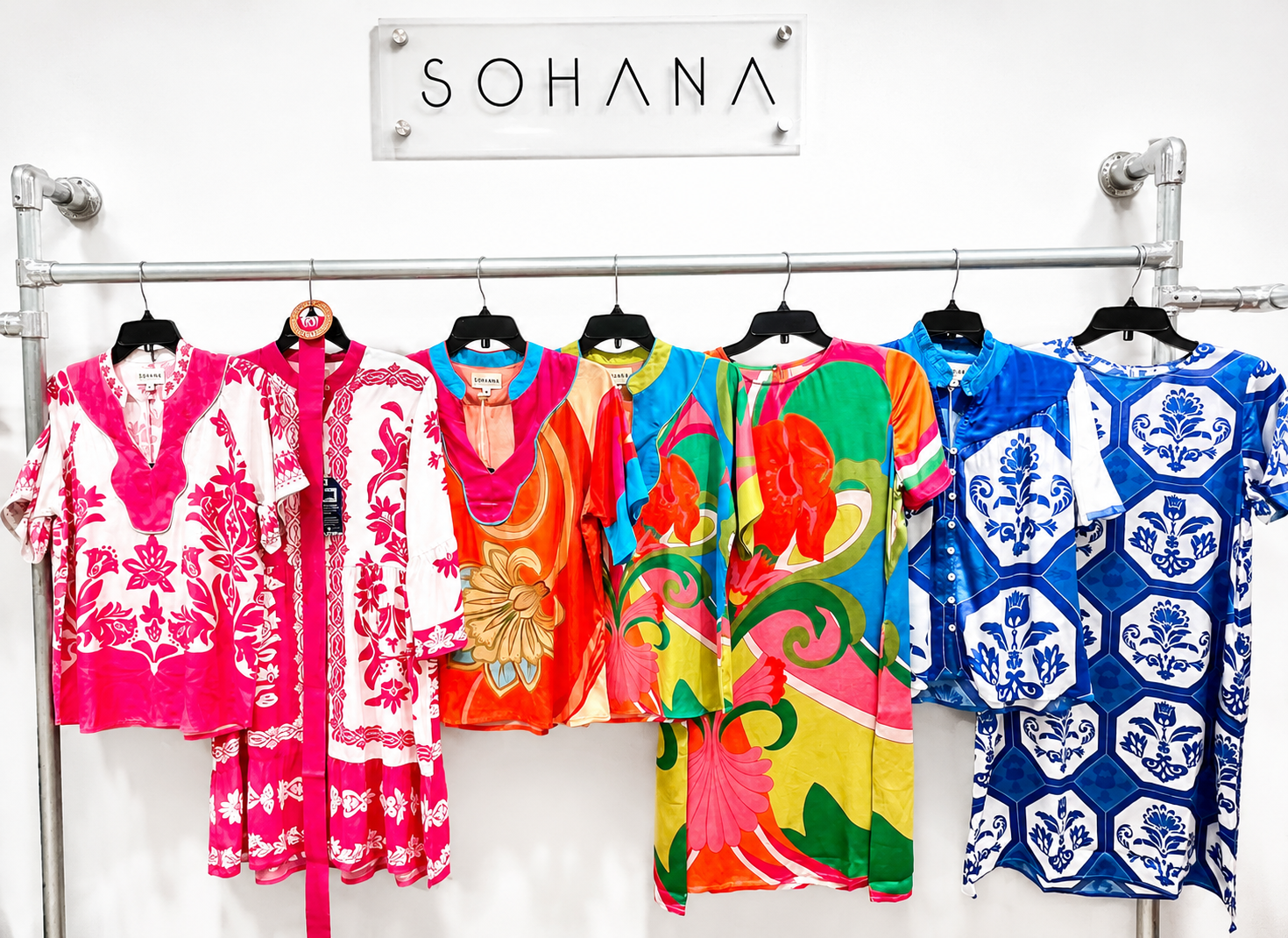
Your wardrobe is usually planned 12 to 24 months before it reaches stores. Designers and retailers use search trends, runway signals, sell-through data, weather forecasts, and economic indicators to choose colors, fabrics, silhouettes, and price points. Materials, sampling, supplier commitments, and production capacity create long lead times, though 3D design and real-time demand data can speed testing. By the time you shop, inventory algorithms have already allocated products by region and channel. The timeline behind each purchase reveals why trends arrive when they do.
Your wardrobe is usually planned 12 to 24 months before it reaches stores. Designers and retailers use search trends, runway signals, sell-through data, weather forecasts, and economic indicators to choose colors, fabrics, silhouettes, and price points. Materials, sampling, supplier commitments, and production capacity create long lead times, though 3D design and real-time demand data can speed testing. By the time you shop, inventory algorithms have already allocated products by region and channel. The timeline behind each purchase reveals why trends arrive when they do.
The Short Answer: Fashion Is Planned Years Ahead
Fashion brands typically plan major collections 18 to 24 months before they reach your closet, while luxury houses and large retailers may lock in fabrics, colors, and silhouettes even earlier. You’re not buying a spontaneous idea; you’re purchasing the output of long-range commercial decisions, supplier commitments, and production capacity forecasts.
For you, this timeline explains why emerging preferences can take seasons to appear at scale. It also creates a strategic opening: brands that integrate real-time demand signals can reduce overproduction and respond faster without abandoning quality. Fashion ethics increasingly influence those choices, as consumers scrutinize labor practices, sourcing, and waste. Sustainability metrics—such as carbon intensity, water use, recycled-content rates, and sell-through—now help you assess whether innovation delivers measurable progress, not merely a new aesthetic.
How Fashion Trend Forecasting Works
Trend forecasting turns scattered cultural and commercial signals into buying, design, and production decisions. You see its outputs in emerging silhouettes, materials, and palettes, but analysts begin with evidence: search behavior, social engagement, retail sell-through, runway data, economic indicators, and shifts in music, technology, and politics.
Forecasters use pattern recognition and predictive models to separate a short-lived spike from a scalable movement. Color psychology helps them assess which shades may align with consumers’ moods, aspirations, and purchase intent. You benefit when brands translate those insights into products that feel current rather than accidental.
Increasingly, the process also applies design ethics. Analysts examine sourcing risks, cultural attribution, accessibility, and durability alongside demand signals. That approach helps innovation respond to change without treating novelty as the only metric.
When Designers Plan Seasonal Collections
Designers often begin planning seasonal collections 12 to 18 months before you see them in stores, using forecast data to set color stories, silhouettes, fabric orders, and price targets. That lead time lets brands translate emerging signals into products you’ll actually want when the season arrives. Teams analyze retail sell-through, search behavior, social momentum, climate patterns, and supplier capacity before committing to designs. If neon streetwear shows sustained growth across key markets, designers can scale it selectively instead of chasing a short-lived spike. Material decisions happen early because mills need months to develop, test, and deliver textiles. When brands prioritize recycled fabrics, they must lock in traceable supply volumes, performance standards, and cost assumptions well ahead of production. You benefit from this planning through more relevant drops, better-fit assortments, and innovation aligned with real demand.
When Fashion Weeks Reveal New Collections
Months before new pieces reach your favorite retailers, fashion weeks put upcoming collections in front of buyers, editors, and analysts. You see more than runway spectacle: these events generate early signals on silhouettes, colors, fabrication, and consumer appetite. Attendance data, press coverage, social engagement, and buyer reactions help brands measure which concepts gain momentum. A strong showing can accelerate interest in modular tailoring, digital craftsmanship, or performance textiles before public demand peaks. You’ll also notice sustainability becoming a measurable design benchmark. Collections increasingly spotlight sustainable materials, traceable supply chains, and transparent claims rather than vague messaging. Ethical labor matters, too, as critics and industry observers scrutinize who made garments and under what conditions. Fashion weeks therefore act as a high-visibility testing ground, revealing which innovations can shape your next season’s choices.
How Fashion Retailers Plan Inventory
Retailers use past sales, weather patterns, and emerging trends to forecast the styles you’ll likely buy each season. They then allocate inventory by region, store format, and online demand, ensuring high-performing items reach the right channels first. This planning helps you find current trends without retailers overstocking last season’s looks.
Seasonal Demand Forecasting
Long before a season reaches the sales floor, fashion teams forecast demand by combining prior-year sell-through rates, regional weather patterns, search trends, social engagement, and planned promotions. You influence these models every time you browse, save, click, or respond to a campaign. Retailers translate those signals into demand curves for colors, categories, price points, and silhouettes, then test scenarios against changing macroeconomic conditions. Advanced forecasting tools flag emerging shifts, such as accelerating interest in linen or declining searches for occasionwear, before they reshape buying decisions. Fashion timelines require teams to commit early, so forecast accuracy protects margins and reduces avoidable markdowns. Teams also model supplier capacity and material lead times to anticipate production bottlenecks. By continuously refreshing projections, they can distinguish a short-lived viral spike from a durable consumer preference and plan seasonal assortments with greater confidence.
Inventory Allocation Strategies
Once demand forecasts set the target, allocation teams decide where each unit can generate the strongest full-price return. You’ll see this in store-specific assortments: retailers route limited drops to locations whose customer data signals higher conversion, lower returns, and stronger margin potential. Algorithms rebalance inventory daily, using sell-through, weather shifts, local events, and digital browsing behavior to prevent costly stockouts.
For you, this means the assortment online or nearby isn’t random. Retailers reserve eco textiles for markets that demonstrate sustained interest in traceable materials and premium sustainability claims. They also assign products designed for upcycling processes to channels with repair partners, resale demand, or take-back infrastructure. By linking allocation to real-time signals, brands reduce markdown exposure, accelerate inventory turns, and test emerging trends without overcommitting production.
From Fashion Forecast to Store Shelf
You may spot a trend in stores only after forecasters identified it months—or even years—earlier through consumer, runway, and sales data. Designers then convert those signals into products while production schedules lock in materials, quantities, and delivery dates. From warehouse allocation to shelf placement, retailers use demand forecasts to put the right styles in front of you at the right time.
Trend Forecasting Begins Early
By the time a trend reaches a store shelf, fashion companies have often tracked it for 12 to 24 months. You’re seeing the outcome of continuous signal analysis: runway imagery, social engagement, search behavior, retail sell-through, and cultural shifts. Forecasting teams measure which silhouettes gain momentum, which materials resonate, and where consumer interest accelerates across regions.
They also map season styling against weather data, lifestyle changes, and event calendars, helping brands identify demand before it becomes obvious. Color psychology adds another predictive layer: analysts assess how hues align with moods, economic sentiment, and digital aesthetics. If cobalt searches rise alongside minimalist tailoring, you may soon see both in coordinated collections. This early intelligence lets retailers test emerging directions, refine assortments, and place smarter bets on what you’ll want next.
Design And Production Timelines
From forecast signal to store shelf, a typical fashion cycle spans roughly 6 to 18 months, depending on the brand’s sourcing model and product category. You see the timeline accelerate when brands use nearshore factories, digital sampling, and demand data; it extends for technical outerwear, tailored pieces, and complex embellishment.
After a trend direction is approved, designers translate it into silhouettes, color stories, and specifications. Your future garment then moves through prototyping, fit reviews, cost negotiations, and fabric sourcing, which can determine much of the schedule. Mills may require months for custom yarns, dye development, or minimum-order commitments.
Fashion history shows that seasonal calendars once dominated planning. Now, predictive analytics, 3D design, and smaller test runs let brands validate demand earlier, reduce excess inventory, and refine products before committing to full-scale production.
From Warehouse To Shelf
Once production is complete, logistics teams route finished garments through regional warehouses, where inventory systems allocate units to stores and e-commerce fulfillment centers based on sell-through forecasts, local demand, and launch dates. You see the result as a coordinated drop, but algorithms continuously rebalance stock to prevent overstocks and missed sales. RFID tags, real-time transit data, and store-level dashboards reveal which colors, sizes, and silhouettes move fastest.
This final stage links early fabric sourcing decisions to actual customer behavior. If demand spikes, retailers can redirect inventory, accelerate replenishment, or test localized assortments without waiting for the next season. Shorter style cycles now require faster fulfillment, tighter forecasting, and responsive distribution networks. Your wardrobe reaches the shelf through a system designed to turn trend signals into available product with measurable speed, accuracy, and margin control.
How Runway Looks Change for Retail
Runway looks rarely reach stores unchanged: designers and retail teams adapt them to fit price targets, production timelines, climate needs, and customer demand. You might see a sculptural runway coat become a shorter, washable jacket, or a sheer layered dress gain lining and broader sizing. Fashion journalism and runway coverage spotlight the original concept, but retail data determines its commercial evolution. Teams analyze sell-through rates, search behavior, return reasons, and regional weather patterns to choose fabrics, colors, and silhouettes. A statement shade may become an accent rather than a head-to-toe look; an exaggerated proportion may shift toward everyday movement. Digital sampling and demand forecasting now speed these revisions, helping brands test ideas before committing volume. You still get the runway’s visual signal, but translated into products designed to perform in your actual wardrobe.
How to Shop Around the Fashion Calendar
When you shop can matter almost as much as what you buy: fashion’s seasonal calendar creates predictable windows for full-price launches, markdowns, and early trend adoption. Use shopping calendars to decide whether you’re paying for novelty or optimizing value. New spring assortments typically arrive from January through March, while fall collections land from July through September; these periods offer the widest sizing and strongest directional pieces.
Track inventory trends before buying. If retailers replenish a colorway, silhouette, or collaboration repeatedly, demand likely supports waiting for promotions. If stock stays shallow or sell-through accelerates, purchase early. You can also exploit transition months: late February and August often reveal clearance pricing without fully depleted selection. Sign up for alerts, compare sell-through signals across platforms, and build a short watchlist. That turns seasonal timing into a sharper, data-informed wardrobe strategy.
Frequently Asked Questions
How Do Fashion Brands Respond to Unexpected Viral Trends?
Fashion brands respond to unexpected virality by tracking social signals, search spikes, engagement velocity, and conversion data in real time. You’ll see leaders adapt quickly: they adjust campaigns, reorder proven materials, activate creators, and release limited drops within days. Agile supply chains reduce risk through small test batches, while predictive analytics identifies whether momentum is durable. You benefit when brands turn fleeting attention into accessible, relevant products before demand cools.
Do Sustainable Brands Plan Collections Differently Than Fast-Fashion Retailers?
Yes, you’ll see sustainable brands use sustainable planning to reduce waste, forecast demand, and prioritize durable materials, traceable suppliers, and smaller production runs. Fast fashion cycles instead optimize speed, often launching new styles weekly to capture microtrends and maximize volume. You can expect sustainable fashion innovators to test preorders, on-demand manufacturing, resale, and digital sampling, using data to align inventory with real customer demand and lower environmental impact.
How Does Weather Affect Last-Minute Clothing Production Decisions?
As weather shifts, you see production decisions pivot like a dashboard flashing alerts. Retailers use forecasts, sell-through data, and regional demand signals to make last-minute adjustments: accelerating rainwear, delaying shorts, or reallocating inventory. The weather impact grows when heat waves or storms disrupt factories, shipping, and store traffic. AI forecasting can tighten response times, helping brands reduce markdowns, avoid overproduction, and match emerging climate-driven demand more precisely.
Can Shoppers Influence Future Fashion Trends Through Social Media?
Yes, you can shape future fashion trends through social media. Your posts, saves, comments, and purchases give brands real-time demand signals, helping them identify viral trends before traditional forecasting cycles catch up. When you amplify emerging aesthetics, creators, or sustainable alternatives, you influence product development, inventory priorities, and campaign strategy. You’ll have the greatest impact by engaging consistently, sharing authentic styling content, and supporting innovations that align with your values and needs.
Why Do Some Clothing Styles Return Decades After Disappearing?
Styles return because you and brands revisit the past like gardeners reseeding proven blooms: familiar silhouettes gain fresh color, technology, and cultural meaning. Fashion nostalgia drives demand when consumers seek identity, comfort, or rebellion during change. Data from search spikes, resale platforms, and social engagement helps brands detect resurgence cycles early. You’ll see designers remix archived looks with sustainable fabrics, inclusive sizing, and digital-first storytelling, making old aesthetics feel newly relevant again.
Conclusion
Your wardrobe starts taking shape long before you see it online or in stores. Designers, forecasters, fashion weeks, and retailers work on overlapping timelines that can stretch two years ahead. Trend data guides colors, fabrics, quantities, and pricing, while runway ideas evolve into wearable products. Think of fashion as a relay race: insights pass from forecast to sketch, sample to shelf. When you shop with the calendar in mind, you can spot emerging trends, time purchases, and buy more strategically.
Comments
Be the first to comment...