

Why Buying for a Boutique Isn't Just Shopping—It’s Supply Chain Magic
- Posted on
- By Lux Boutique
- 0
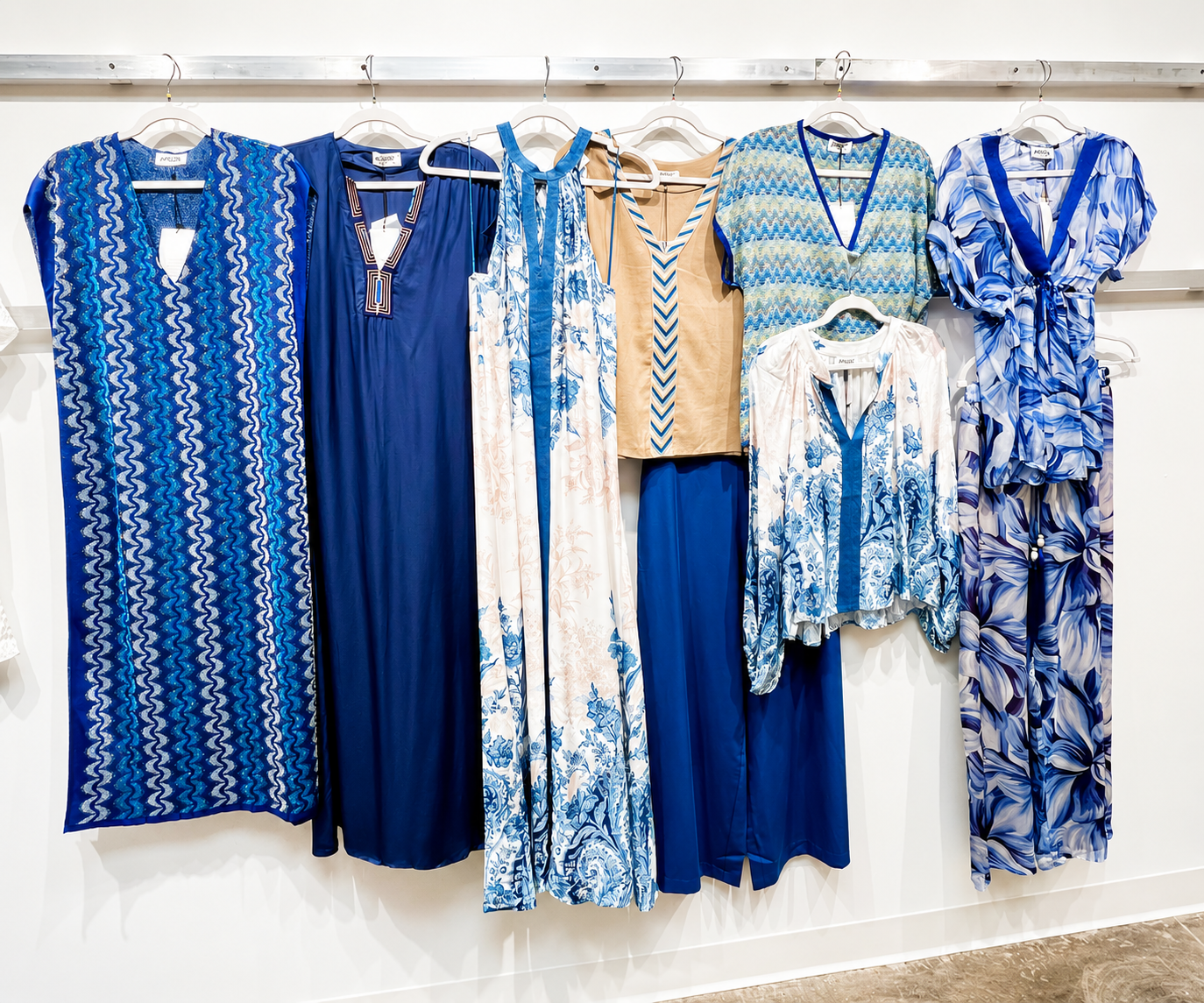
Buying for a boutique is supply chain strategy because you turn sales data, customer requests, trend signals, and local events into timely inventory decisions. You set budgets, protect SKU-level margins, balance core sellers with controlled trend capsules, and plan deliveries around selling windows. You also work closely with vendors on lead times, capacity, costs, and replenishment. Weekly sell-through and POS data help you reorder winners before demand peaks. The details ahead show how to make each buy work harder.
Buying for a boutique is a supply chain strategy because you turn sales data, customer requests, trend signals, and local events into timely inventory decisions. You set budgets, protect SKU-level margins, balance core sellers with controlled trend capsules, and plan deliveries around selling windows. You also work closely with vendors on lead times, capacity, costs, and replenishment. Weekly sell-through and POS data help you reorder winners before demand peaks. The details ahead show how to make each buy work harder.
Boutique Buying Starts With Demand Forecasting
Demand forecasting gives your boutique a clearer buying plan before you commit cash to inventory. You turn past sales, sell-through rates, customer requests, local events, and social signals into a demand map that guides each assortment decision. Instead of chasing every viral microtrend, you identify which colors, categories, sizes, and price points fit your shoppers’ behavior.
Improve forecast accuracy by reviewing weekly performance, not just seasonal totals. Flag fast movers early, watch slow sellers, and compare results across channels. Your POS data can reveal emerging demand before it becomes obvious on the sales floor.
Supplier collaboration sharpens that insight. Share planned launches and replenishment signals with key vendors, then ask about lead times, fabric availability, and upcoming capsules. You’ll build a more responsive buying rhythm that keeps your boutique fresh without relying on guesswork.
Set Budgets and Target Margins First
Before you place orders, set budget guardrails by category, vendor, and buying window. Define target margins that account for landed costs, markdown risk, and current pricing trends. You’ll make faster buying decisions and protect profitability as demand shifts.
Define Budget Guardrails
Start with financial guardrails: set a buying budget, define target gross margins by category, and reserve cash for freight, markdowns, and replenishment. Your budget guardrails turn trend intuition into disciplined inventory decisions. Use weekly sales signals, open-to-buy data, and supplier lead times to protect liquidity while keeping room for emerging demand. Strong forecast accuracy lets you commit confidently without overloading backstock or missing fast-moving opportunities.
- Cap spend by season, category, and vendor.
- Hold contingency funds for delayed deliveries and demand spikes.
- Track committed versus received inventory in real time.
- Reforecast often when social trends or sell-through shifts.
You’re not limiting creativity; you’re funding it intelligently. Clear thresholds help you test new labels, scale proven edits, and preserve cash for the next strategically timed buy.
Set Target Margin Goals
With spending limits in place, set target gross margins that reflect each category’s pricing power, markdown risk, and replenishment speed. You shouldn’t apply one blanket percentage across your assortment. Trend-led statement pieces may require higher margins to absorb volatility, while proven essentials can operate on leaner margins because they turn faster and support repeat purchasing.
Use demand forecasting to test your assumptions before placing orders. Compare historical sell-through, supplier lead times, competitor pricing, and planned promotional activity. Then set target margins by SKU tier, not merely by department. Protect margin on limited-run products, but leave room to price-match strategic traffic drivers when needed.
Review your targets weekly as new sales data arrives. This creates a responsive buying system: you can reorder profitable winners, reduce exposure to slow movers, and preserve cash for emerging trends without sacrificing profitability.
Build a Profitable Seasonal Assortment
A profitable seasonal assortment balances fresh trends with reliable sellers, so you can capture demand without tying up cash in slow-moving inventory. Use demand forecasting to translate last season’s sales, customer requests, local events, and emerging signals into disciplined category choices. Protect your target margins with budget guardrails, then allocate depth where velocity is proven and test novelty in controlled quantities.
- Anchor the floor with repeatable core styles and replenishable colors.
- Introduce trend capsules that create urgency without dominating open-to-buy.
- Build outfits across price points to increase attachment and average transaction value.
- Review weekly sell-through, size curves, and category performance to pivot quickly.
You’ll create a cohesive story that feels new, serves your best customers, and keeps inventory productive. Prioritize versatile pieces that merchandise together, photograph well, and extend beyond a single occasion.
Work With Vendors to Secure Inventory
Once your assortment plan is set, strong vendor relationships turn demand forecasts into on-time, margin-ready inventory. You’ll secure better outcomes when you share clear volume expectations, target costs, and product priorities early. Negotiate vendor contracts that protect flexibility: define minimums, payment terms, quality standards, cancellation windows, and replenishment options. Track lead times by vendor, category, and production region, then flag risks before they disrupt your buying strategy. Ask suppliers about material availability, factory capacity, and emerging color or fabrication shifts that could affect your assortment. Build a small, responsive vendor network rather than relying on one source. This gives you leverage, visibility, and alternatives when demand changes. Use purchase-order data to evaluate fill rates and defect patterns, so each reorder strengthens your margin and inventory resilience.
Plan Delivery Around the Selling Season
Map delivery dates backward from each selling window so newness reaches the floor before customer demand peaks. You’ll create season alignment by accounting for transit, receiving, merchandising, and launch timing—not simply vendor ship dates. A disciplined planning cadence lets you introduce trend-right product while it still feels fresh, then refresh assortments before interest fades.
- Set arrival targets for holidays, events, weather shifts, and local traffic patterns.
- Build buffer days for freight delays, quality checks, tagging, and visual merchandising.
- Coordinate deliveries with campaign calendars, social content, and in-store activations.
- Stagger drops to sustain discovery, rather than releasing every style at once.
When you plan this precisely, your boutique turns timing into a competitive advantage. Customers encounter relevant product when they’re ready to buy, and your floor stays intentional, dynamic, and unmistakably ahead of the curve.
Use Inventory Data for Smarter Reorders
Why guess at replenishment when your sales data can show exactly what deserves another buy? Use inventory data to track sell-through by size, color, vendor, and week, then identify the pieces gaining momentum before stockouts interrupt demand. You’ll see whether a bestseller needs a deeper reorder or whether only specific variants merit investment.
Build smarter reorders around velocity, margin, and lead time. Set reorder points that account for supplier reliability, upcoming promotions, and seasonal shifts. If wide-leg denim accelerates after a social trend spikes, you can respond quickly without overcommitting to every wash. Compare on-hand units against projected demand, not instinct alone. This disciplined approach protects cash flow, reduces markdown risk, and keeps your assortment fresh. With clear dashboards and timely vendor communication, you turn each reorder into a precise, data-backed move.
## Frequently Asked Questions
How Do Boutique Buyers Negotiate Exclusive Product Collaborations?
You negotiate exclusive product collaborations by presenting a clear customer insight, projected demand, and a differentiated creative brief. Use price anchoring to frame investment around premium value, limited distribution, and measurable launch support. Offer suppliers data, marketing visibility, and shared risk through minimum orders or phased drops. Define exclusivity by territory, duration, channels, and renewal triggers. Protect innovation with approval milestones, production timelines, quality standards, and performance-based expansion options.
What Software Helps Manage Boutique Purchasing Workflows?
A stitch in time saves nine: you’ll streamline boutique purchasing with platforms like Shopify, Cin7, Brightpearl, and NetSuite. Use them to centralize purchase orders, inventory forecasts, vendor onboarding, and supplier compliance. Add data analytics tools such as Looker or Power BI to spot demand shifts early. Your soft skills still matter—you’ll build vendor trust, negotiate exceptions, and turn automated insights into trend-aware buying decisions that protect margin and accelerate growth.
How Can Boutiques Reduce Environmental Impacts From Sourcing?
You can reduce environmental sourcing impacts by prioritizing local, traceable suppliers, lower-impact materials, and consolidated shipments. Set vendor scorecards for emissions, water use, labor standards, and minimum order efficiency. Choose durable, seasonless products that reduce markdowns and waste. Introduce circular packaging through reusable mailers, recycled-content boxes, and take-back incentives. Track results quarterly, share progress transparently, and shift spend toward partners that continually improve their footprint.
Should Boutiques Buy Insurance for Inventory in Transit?
Yes, you should buy insurance for inventory in transit, especially when shipments involve high-value, limited-run, or international goods. Strong insurance coverage protects cash flow against theft, damage, loss, and carrier gaps. Build transit risk management into supplier contracts, shipment tracking, and packaging standards. Compare exclusions, deductibles, and claims response times, not just premiums. As fulfillment networks evolve, scalable coverage helps protect margins while you test new sourcing routes and delivery partners.
How Do Import Duties Affect International Boutique Purchases?
Import duties can hit your boutique margins like a meteor, raising landed costs before products reach your shelves. You must calculate import duties impact alongside international taxes, tariffs, customs fees, shipping, and currency shifts. Classify goods accurately, verify trade agreements, and model each supplier quote by destination. Build duty buffers into pricing, negotiate Incoterms, and use digital customs tools to spot savings. This protects profitability while keeping your assortment globally competitive and trend-responsive.
Conclusion
Buying for your boutique may look like shopping, but you’re really directing a fast-moving supply chain. You forecast demand, protect margins, balance trends with proven sellers, negotiate vendor terms, and time deliveries to match customer intent. Think you need complex enterprise tools to do this well? You don’t. Start with clean sales data, clear open-to-buy budgets, and disciplined reorder habits. Every smarter buy helps you reduce markdowns, improve cash flow, and keep your assortment feeling fresh.
Comments
Be the first to comment...