

Rainy Season Style: Lightweight Layers That Actually Make Sense in Florida
- Posted on
- By Lux Boutique
- Posted in resort wear, womens clothing
- 0
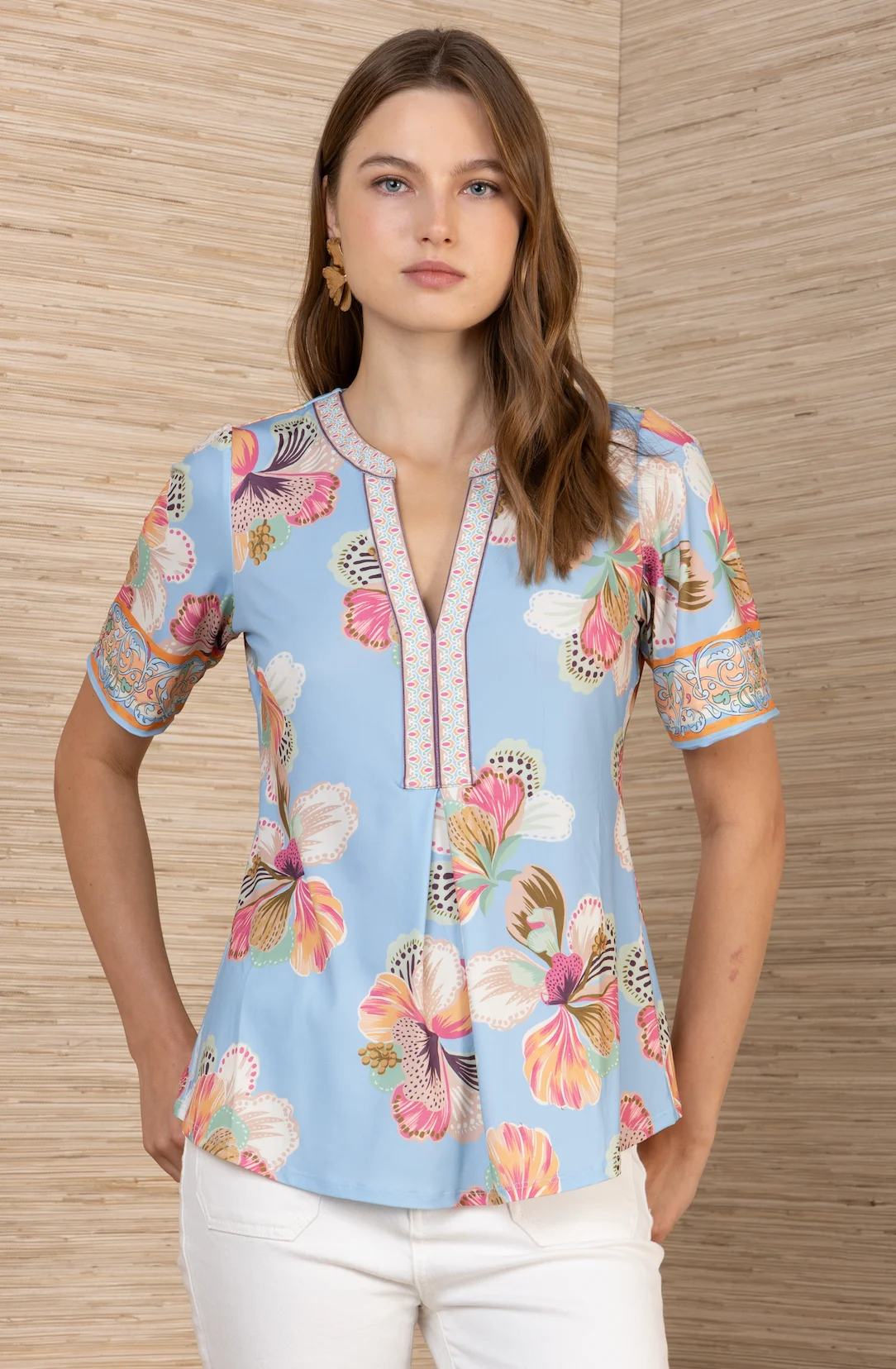
For Florida’s rainy season, build outfits around moisture-wicking tees or tanks, quick-drying trousers or shorts, and water-friendly shoes with textured grip. Add a breathable overshirt or matte, packable rain shell that you can stash in your tote between showers. Skip heavy denim and bulky knits; linen blends, technical knits, and featherweight nylon stay lighter in humidity. Finish with a compact umbrella, zippered crossbody, and UV-blocking sunglasses. Ahead, find easy outfit formulas for every forecast and plan.
For Florida’s rainy season, build outfits around moisture-wicking tees or tanks, quick-drying trousers or shorts, and water-friendly shoes with textured grip. Add a breathable overshirt or matte, packable rain shell that you can stash in your tote between showers. Skip heavy denim and bulky knits; linen blends, technical knits, and featherweight nylon stay lighter in humidity. Finish with a compact umbrella, zippered crossbody, and UV-blocking sunglasses. Ahead, find easy outfit formulas for every forecast and plan.
Start With a Florida Rainy Season Outfit Formula
Start with a simple Florida rainy-season formula: a breathable base, a water-resistant lightweight layer, and quick-drying bottoms with shoes that can handle puddles. You’ll create a polished outfit system that moves easily from bright humidity to sudden downpours without looking overly technical. Choose streamlined silhouettes: a packable shell over a relaxed tee, cropped utility pants, and sleek water-friendly sneakers or sandals. Keep colors modern and adaptable—soft neutrals, coastal blue, or saturated citrus accents—so every piece mixes effortlessly. For Florida rain comfort, prioritize ventilation, adjustable hems, and fabrics that won’t stay heavy after a shower. Smart season layering isn’t about piling on; it’s about building a responsive, low-bulk uniform. You’ll stay prepared for shifting forecasts while maintaining a refined, current look that works for commutes, errands, and spontaneous outdoor plans.
Choose Moisture-Wicking Everyday Basics
Choose quick-drying fabrics like performance cotton, linen blends, and technical knits to stay polished when humidity spikes. Build your outfit on breathable base layers that pull moisture away from your skin instead of trapping it. You’ll feel cooler between downpours and keep your look fresh all day.
Prioritize Quick-Drying Fabrics
In Florida’s rainy season, quick-drying fabrics keep a sudden shower from turning your outfit into an all-day inconvenience. Choose polished performance blends that shed lightweight moisture and recover fast, so you can move from a soaked sidewalk to a chilled restaurant without feeling clammy. Technical nylon, recycled polyester, and refined stretch weaves offer a streamlined look while supporting a modern, on-the-go wardrobe.
Prioritize quick drying fabrics in tailored overshirts, tapered pants, sleek dresses, and packable jackets. You’ll get better shape retention than with heavy cotton or slow-drying denim, plus a cleaner finish after unexpected weather. Look for smooth surfaces, minimal bulk, and wrinkle-resistant construction. These innovative textiles let you keep your outfit sharp, your commute comfortable, and your plans flexible when Florida’s forecast changes by the hour.
Build Breathable Base Layers
Why let humidity dictate your outfit from the first layer? Start with moisture-wicking tees, tanks, or fitted polos that pull sweat away before it turns your commute into a style crisis. Look for breathable fabrics such as performance cotton, Tencel blends, merino, and recycled technical knits; they feel refined while managing Florida’s heat.
Choose streamlined silhouettes that sit close without clinging, creating a clean foundation for lightweight layering. A neutral technical tank under an open linen shirt, or a sleek ribbed tee beneath a water-resistant overshirt, keeps your look current and adaptable. Prioritize flat seams, odor control, and four-way stretch for all-day comfort. You’ll stay polished through sudden showers, steamy sidewalks, and aggressively air-conditioned interiors without sacrificing the elevated, innovation-minded aesthetic your wardrobe deserves.
Add Breathable Florida Rainy Season Overshirts
Top your lightweight tee with a breathable overshirt in quick-dry cotton blends, linen, or performance fabric. You’ll get a polished, relaxed layer that handles humid commutes without feeling heavy. Keep one packed in your tote or car so you’re ready when a sudden Florida shower hits.
Choose Quick-Dry Fabrics
Florida’s rainy-season humidity makes quick-dry fabrics a smarter choice than heavy cotton, which can stay damp long after a shower passes. You’ll look sharper and feel more comfortable when your overshirt uses performance-minded fibers that release moisture fast without sacrificing a refined drape.
- Choose nylon or recycled-poly blends for rapid drying and wrinkle resistance.
- Prioritize moisture wicking basics with ventilated weaves that move sweat off your skin.
- Look for stretch fibers, so your overshirt keeps its clean silhouette through commutes and sudden downpours.
- Favor matte finishes and tonal textures; they make technical quick dry fabrics feel polished, not gym-ready.
The best pieces pair climate-responsive engineering with a modern, tailored profile. You stay prepared for wet weather while maintaining an intentional Florida-ready wardrobe all day.
Layer Over Lightweight Tees
Pair a breathable overshirt with a lightweight tee to create a rain-ready layer that won’t feel bulky once the humidity climbs. Choose airy cotton poplin, linen blends, or technical stretch weaves that move with you and dry quickly after a damp commute. An unstructured camp collar or streamlined button-front silhouette keeps the look current while giving you easy ventilation.
Build your lightweight layering system around moisture wicking basics in neutral shades, then add an overshirt in soft olive, stone, navy, or a subtle seasonal print. Wear it open for airflow, button it when indoor AC feels aggressive, and roll the sleeves for a relaxed finish. Prioritize breathable construction, smooth seams, and a trim-but-not-tight fit. You’ll get polished coverage without sacrificing Florida-ready comfort.
Pack For Sudden Showers
When a blue-sky forecast turns into a downpour, a packable, breathable overshirt keeps your outfit sharp without weighing down your bag. Choose technical cotton, airy nylon, or recycled ripstop with a relaxed cut that slips over a tee and dries fast after a sprint indoors. Keep the palette refined—stone, navy, olive, or soft gray—so it works from brunch to boardwalk.
- Prioritize vented panels or mesh-lined yokes for humid commutes.
- Use zip pockets to protect cards, keys, and your phone.
- Roll it into its own pouch for clean sunscreen storage.
- Follow sunscreen etiquette: reapply before stepping out, not inside a crowded café.
A modern overshirt gives you climate-ready polish, letting you pivot through Florida’s unpredictable showers without sacrificing comfort, silhouette, or smart functionality.
Choose a Breathable Packable Rain Jacket
A breathable, packable rain jacket gives your rainy-season wardrobe the polish and practicality Florida demands. Choose a streamlined shell with ventilation panels, a moisture-wicking interior, and a relaxed fit that slips easily over linen, performance knits, or a crisp button-down. You’ll stay protected without trapping heat during humid downpours.
Look for matte finishes, modern neutral shades, and adjustable cuffs that sharpen the silhouette rather than add bulk. Savvy layering starts with a jacket that moves with you, whether you’re commuting, traveling, or stepping into an over-air-conditioned restaurant. Prioritize recycled technical fabrics, sealed seams, and a hood with clean structure. The best breathable packs compress into a sleek pouch while maintaining an elevated look, so you can pivot from sunshine to storm without compromising your outfit.
Pack Rain Essentials in Your Everyday Bag
Florida forecasts can flip fast, so keep a compact rain kit in the everyday bag you already carry. You’ll stay polished between meetings, errands, and spontaneous patio plans without overpacking. Choose streamlined pieces that complement your fashion accessories and seasonal color palettes, turning practical prep into a considered styling move.
- Pack a mini windproof umbrella with a sleek handle and automatic open button.
- Add a reusable waterproof pouch for your phone, cards, and charging cable.
- Stash a soft microfiber cloth to dry screens, sunglasses, and bag hardware quickly.
- Carry travel-size blotting papers and a foldable hair clip for humidity resets.
Prioritize lightweight, multiuse designs with recycled materials or smart closures. Your bag becomes a climate-ready edit: efficient, elevated, and prepared for Florida’s next downpour.
Wear Quick-Drying Bottoms for Sudden Showers
Sudden showers don’t have to derail your look if you choose quick-drying bottoms that move easily from humid sidewalks to air-conditioned interiors. Reach for tailored nylon joggers, technical wide-leg trousers, or streamlined performance shorts in quick-drying fabrics that resist that clingy, post-rain feeling. You’ll stay polished while fabrics shed light moisture and recover fast after a downpour.
Build outfits around moisture wicking bases, such as breathable bike shorts or sleek leggings, then add an oversized button-down or cropped utility jacket for dimension. Neutral shades keep the look refined, while subtle reflective trims, cargo pockets, and adjustable hems bring a modern, innovation-forward edge. Skip heavy denim and absorbent cotton blends when storms are likely; they hold water, feel restrictive, and take too long to bounce back. Choose flexible silhouettes, and you’ll be ready for Florida’s forecast shifts.
Choose Water-Friendly Shoes With Good Grip
Finish the rain-ready look with water-friendly shoes that grip slick sidewalks, tiled entryways, and puddled parking lots. You’ll want streamlined pairs that dry fast, stay comfortable in humidity, and sharpen your look without sacrificing traction. Today’s grip-focused designs blend technical soles with polished silhouettes, so you don’t have to choose between fashion and function.
- Choose molded rubber or EVA styles that won’t absorb water.
- Prioritize textured outsoles with channels that disperse surface water.
- Look for adjustable straps or secure heel support to prevent slipping.
- Favor neutral, elevated colors that complement lightweight layers.
Skip suede, untreated leather, and smooth-bottomed sandals during wet weeks. Instead, invest in sleek water-friendly sneakers, sporty loafers, or refined sandals engineered for confident movement. A smart sole keeps your outfit current and your footing secure.
Build Florida Rainy Season Outfits by Activity
How you spend the day should shape your rainy-season outfit as much as the forecast does. For a commute, pair a streamlined rain shell with a breathable tee, tapered trousers, and water-friendly sneakers. Running errands? Choose a polished matching set with a packable overshirt you can stash between showers. For outdoor brunch or a waterfront walk, style a quick-dry dress or relaxed shorts with a lightweight button-down for flexible coverage. Build in sun protection with a UV-blocking cap or sleek oversized sunglasses; Florida clouds don’t cancel intense rays. Keep travel-friendly accessories close: a crossbody with a zip closure, a compact umbrella, and a reusable pouch for damp essentials. If you’re heading from desk to dinner, add a wrinkle-resistant layer in a sharp neutral or vivid seasonal shade.
Avoid Heavy Fabrics in Florida Humidity
Florida humidity can turn dense fabrics into a style setback fast. You’ll feel polished longer when you skip heavy denim, thick ponte, and bulky knits that trap heat after a sudden shower. Instead, build a rain-ready rotation with technical, airy materials that move with you and dry quickly.
- Choose featherweight nylon or recycled polyester shells for sleek weather protection.
- Prioritize fabrics' breathability in cotton poplin, linen blends, and performance jersey.
- Look for stain resistance in overshirts, trousers, and lightweight sneakers to handle puddle splash.
- Reserve structured layers for air-conditioned interiors, then remove them outdoors.
The most current Florida look balances utility and refinement: relaxed silhouettes, tonal layers, and smart fabric innovation. You don’t need more clothing—you need pieces engineered to stay crisp, comfortable, and adaptable through heat, rain, and humidity.
Frequently Asked Questions
How Should I Care for Rain-Soaked Clothing to Prevent Mildew?
Remove rain-soaked clothing promptly, shake off excess water, and hang each piece in moving air. You’ll prevent mildew fastest by washing damp items within 24 hours using the fabric-appropriate cycle. Skip overcrowded hampers, sealed bags, and high heat on delicate performance blends. For elevated fabric care, use a breathable drying rack, fan, or dehumidifier. These smart care tips keep colors fresh, fibers resilient, and your wardrobe ready for the next forecast.
Are Umbrellas Practical During Florida’s Windy Afternoon Storms?
Umbrellas can work, but Florida’s afternoon storms are a chess match: you need the right move before the wind wins. Choose compact models with umbrella windproofing, vented canopies, fiberglass ribs, and a secure wrist strap. You’ll stay polished during quick downpours, yet prioritize rainstorm safety—close it when gusts intensify, avoid lightning exposure, and seek sturdy shelter. A wind-resistant umbrella is a smart accessory, not a storm shield during severe weather.
What Colors Hide Rain Stains and Mud Splashes Best?
Choose deep navy, charcoal, olive, chocolate brown, and muted burgundy to camouflage rain stains and mud splashes best. You’ll get a polished, trend-forward look without constantly checking for marks. Skip pale khaki, white, blush, and bright pastels, which show water spotting fast. For a smarter finish, try subtle microprints, textured fabrics, or tonal color-blocking—they disguise splatter while keeping your outfit modern, intentional, and easy to refresh between storms.
How Can I Protect My Phone and Electronics From Sudden Rain?
Treat Florida clouds like uninvited influencers: they’ll crash your plans without warning. Protect your phone with waterproof cases, sealed zip pouches, and a compact dry bag. Prioritize weatherproofing tech, such as water-resistant earbuds and charging ports with covers. Keep devices in rain gear storage pockets, away from outer seams. Pair your setup with quick-dry fabrics so wet layers don’t transfer moisture to your electronics during commutes or sudden downpours.
Should I Change Clothes After Being Caught in a Downpour?
Yes, you should change clothes after a downpour, especially if fabrics feel soaked or clingy. Swap into dry, breathable pieces to stay comfortable, prevent chafing, and protect your polished look. Prioritize quick-dry performance layers, moisture-wicking basics, and ventilated footwear for a smart reset. For Rain gear care, hang jackets open to air-dry, wipe down bags, and remove wet items from pockets promptly to keep your essentials fresh, functional, and ready.
Conclusion
Florida’s rainy season doesn’t have to derail your style. Build outfits around quick-drying basics, breathable layers, a packable rain jacket, and grippy water-friendly shoes. You’ll stay polished from humid commutes to spontaneous downpours without carrying extra bulk. Think of your wardrobe as a weather-smart toolkit: streamlined, adaptable, and ready for every forecast. Skip heavy fabrics, keep essentials close, and choose pieces that move easily with your day—and Florida’s ever-changing skies.
Comments
Be the first to comment...